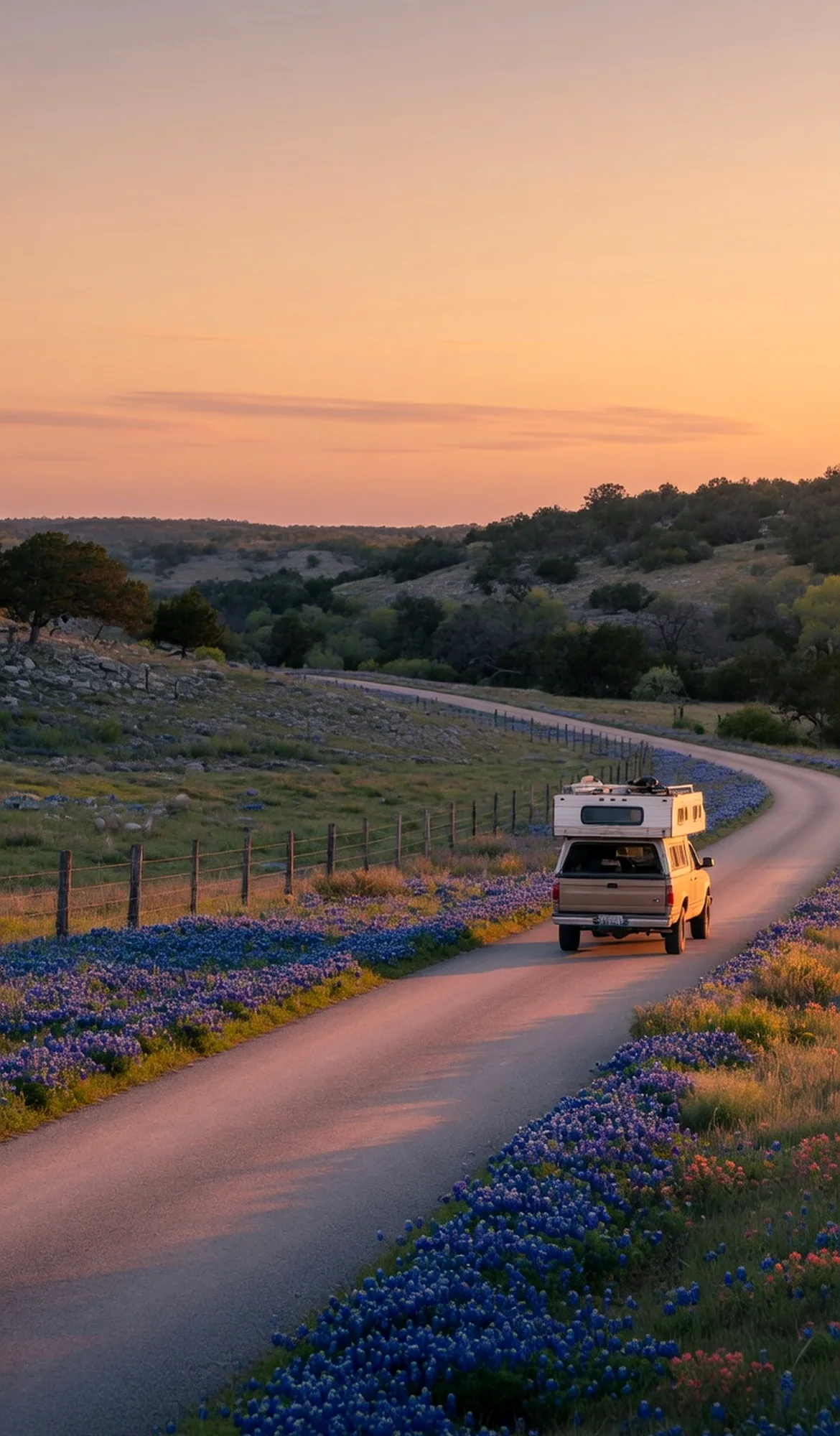
Caddo–LBJ National Grasslands weave together two distinct units northeast and northwest of the Dallas–Fort Worth metroplex, offering RV travelers a serene escape into rolling mixed-grass prairies, oak-lined creek bottoms, and small lakes. Together these expanses of public land intermingle with working ranches, creating a patchwork of open range and wooded draws that attracts wildlife from bobwhite quail to white-tailed deer. Gravel roads lead to quiet dispersed campsites under tremendous skies, making it a refreshingly uncrowded staging ground for hiking, birding, horseback riding, and simply soaking in the prairie wind.
Best season — Spring brings carpets of wildflowers and moderate temperatures, while autumn delivers crisp air, golden grasses, and migrating raptors. Summers are hot and winters generally mild, making the shoulder seasons ideal for outdoor exploration.
Is dispersed camping allowed in the Caddo–LBJ National Grasslands?
Yes, dispersed camping is generally permitted on many roadsides and open areas across both the Caddo and LBJ units, with no hookups but plenty of solitude.
- The LBJ Multiuse Trail System offers about 75 miles of trails for hiking, biking, and horseback riding.
- Both units support dispersed camping, fishing, hunting, and wildlife viewing.
- Managed by the US Forest Service as part of the National Forests and Grasslands in Texas.
At a glance
The facts worth checking before you roll out
Conservative, source-minded facts for planning your visit — always worth confirming against current conditions before you travel.
Managing agency
US Forest Service — part of the National Forests and Grasslands in Texas
Location
Two areas northeast and northwest of the Dallas-Fort Worth metroplex, Texas
Uses
Provide cattle grazing and wildlife habitat plus recreation: hiking, camping, fishing, hunting, horseback riding, mountain biking, and wildlife viewing
Trails
About 75 miles of multipurpose trails in the LBJ Multiuse Trail System
On the ground
Caddo–LBJ National Grasslands, managed by the US Forest Service, are two units of public land northeast and northwest of the Dallas–Fort Worth metroplex. These grasslands preserve a unique landscape where native grasses and post-oak savanna intermingle with active cattle ranches. The area provides habitat for wildlife like white-tailed deer and bobwhite quail, offering a distinct contrast to more heavily forested national lands.
RV travelers come to the Caddo–LBJ National Grasslands for dispersed camping opportunities along gravel roadsides and open areas. Beyond that, visitors enjoy hiking, birding, horseback riding, fishing in small lakes, and observing wildlife. The approximately 75 miles of trails within the LBJ Multiuse Trail System accommodate various recreational pursuits like biking. Expect to share space with cattle grazing throughout these working landscapes.
Spring offers moderate temperatures alongside carpets of wildflowers, while autumn brings crisp air and golden grasses. Summers are generally hot, and winters tend to be mild. These shoulder seasons provide favorable conditions for outdoor activities. The grasslands remain accessible year-round, though preparation for varying weather is always advised for a comfortable experience.
Consider establishing a basecamp in the general Dallas–Fort Worth area before venturing into either grassland unit. From there, RVers can make day trips to explore both areas and utilize dispersed camping opportunities. This allows access to urban amenities while still enjoying the serenity of open range and wooded draws within the National Grasslands.
Official sources
- U.S. Forest Service — Caddo–LBJ National Grasslands USDA Forest Service
Nearby & related
Keep planning Texas
Sourced costs, campground directories, and the places worth a detour — the next layer of Texas trip planning.
- Texas RV rental costFuel · camping · tax, sourced
- Texas RV-friendly campgroundsHookups, rig limits, booking tips
- Campervan & van rentals in TexasVan-life routes, rules & rigs
- RV rentals in TexasPickRV Wiki · 6 min read
- National preservesBackcountry-scale wilds
- Lakes & reservoirsWaterside camps & guides
- Hot springsSoak-worthy road stops
- RV renter basicsFirst-rental fundamentals
Planning an RV trip near Caddo–LBJ National Grasslands: An RV Traveler's Guide?
Was this guide helpful?