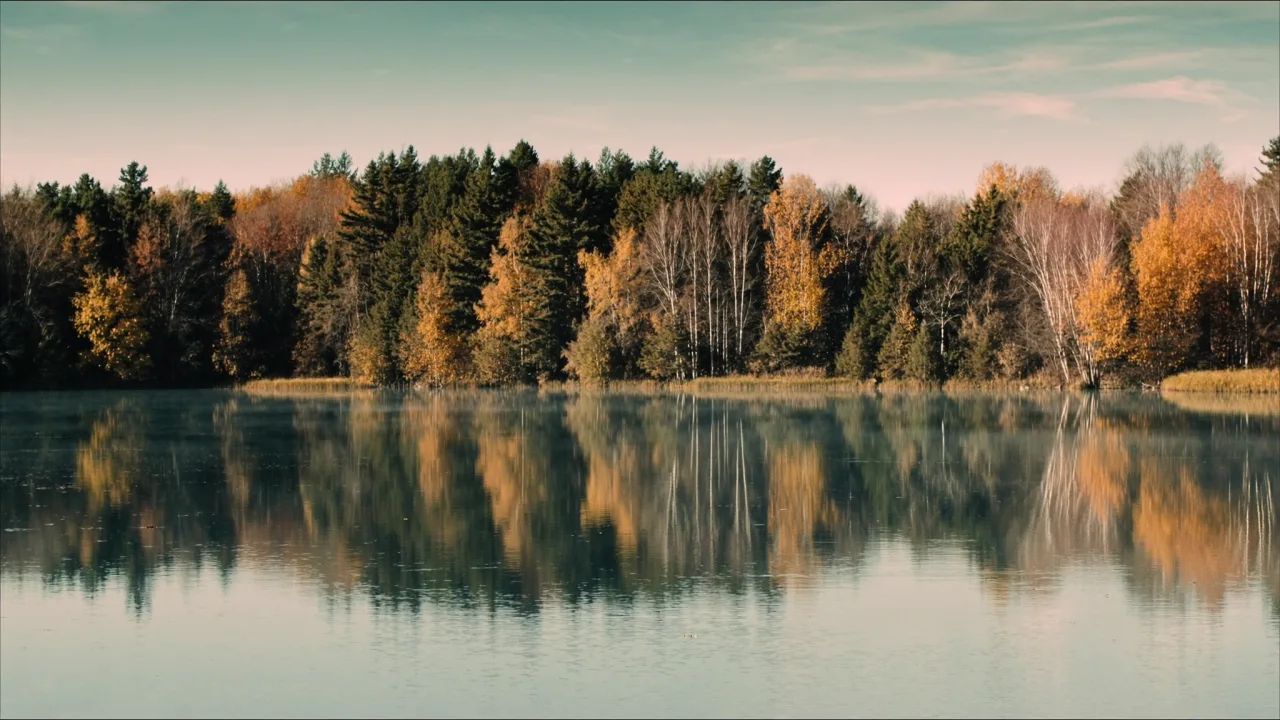
Where the St. Louis River meets Lake Superior, this freshwater estuary reserve protects a sprawling mosaic of coastal marshes, open water, and forested wetlands. Paddlers and birders discover a quiet world of migratory waterfowl, spawning fish, and rare aquatic plants, all sustained by the meeting of two Great Lakes waters.
Best season — Late spring through early fall, with peak bird migrations in May and September; summer offers warm conditions for paddling and exploring the estuarium.
Why is the St. Louis River estuary so significant?
Its broad freshwater wetlands filter runoff, buffer Lake Superior, and provide critical nursery habitat for fish and stopover sites for migrating birds.
- Designated in 2010 as part of the National Estuarine Research Reserve System.
- Co-managed by NOAA and the University of Wisconsin-Madison Division of Extension.
- Encompasses 16,697 acres of freshwater coastal habitat.
At a glance
The facts worth checking before you roll out
Conservative, source-minded facts for planning your visit — always worth confirming against current conditions before you travel.
Managing partner
Co-managed by NOAA's National Estuarine Research Reserve System with the University of Wisconsin-Madison, Division of Extension
State
Wisconsin (confluence of the St. Louis River and Lake Superior)
Year designated
2010
Acreage
16,697 acres per the official page
On the ground
The Lake Superior National Estuarine Research Reserve protects a freshwater estuary where the St. Louis River meets Lake Superior. Designated in 2010, this area—spanning approximately 16,697 acres—is co-managed by NOAA and the University of Wisconsin-Madison. It’s significant because its wetlands filter runoff, buffer the lake, and provide vital habitat for fish and migrating birds.
RV travelers can explore miles of paddle trails and boardwalks within the reserve. These pathways offer access to expansive wetlands that are home to diverse birdlife, native plants, and various fish species. Paddlers will find a quiet environment ideal for observing the unique ecology where freshwater meets one of the Great Lakes.
The best time to visit is from late spring through early fall. Bird migration peaks in May and September, offering excellent viewing opportunities. Summer provides warmer weather suitable for paddling and exploring the estuarine areas. Conditions during these months allow for comfortable access to reserve features.
Establish a basecamp in the vicinity to explore the Reserve at your own pace. From there, short trips can be made to access various points within the estuary. This allows RV travelers to experience the unique ecosystem while maintaining the convenience of a central location.
Official sources
- NOAA — Lake Superior National Estuarine Research Reserve Government source
Nearby & related
Keep planning Wisconsin
Sourced costs, campground directories, and the places worth a detour — the next layer of Wisconsin trip planning.
- Wisconsin RV rental costFuel · camping · tax, sourced
- Wisconsin RV-friendly campgroundsHookups, rig limits, booking tips
- Campervan & van rentals in WisconsinVan-life routes, rules & rigs
- National memorialsMonumental road stops
- National preservesBackcountry-scale wilds
- Lakes & reservoirsWaterside camps & guides
- RV renter basicsFirst-rental fundamentals
Planning an RV trip near Lake Superior National Estuarine Research Reserve: An RV Traveler's Guide?
Was this guide helpful?