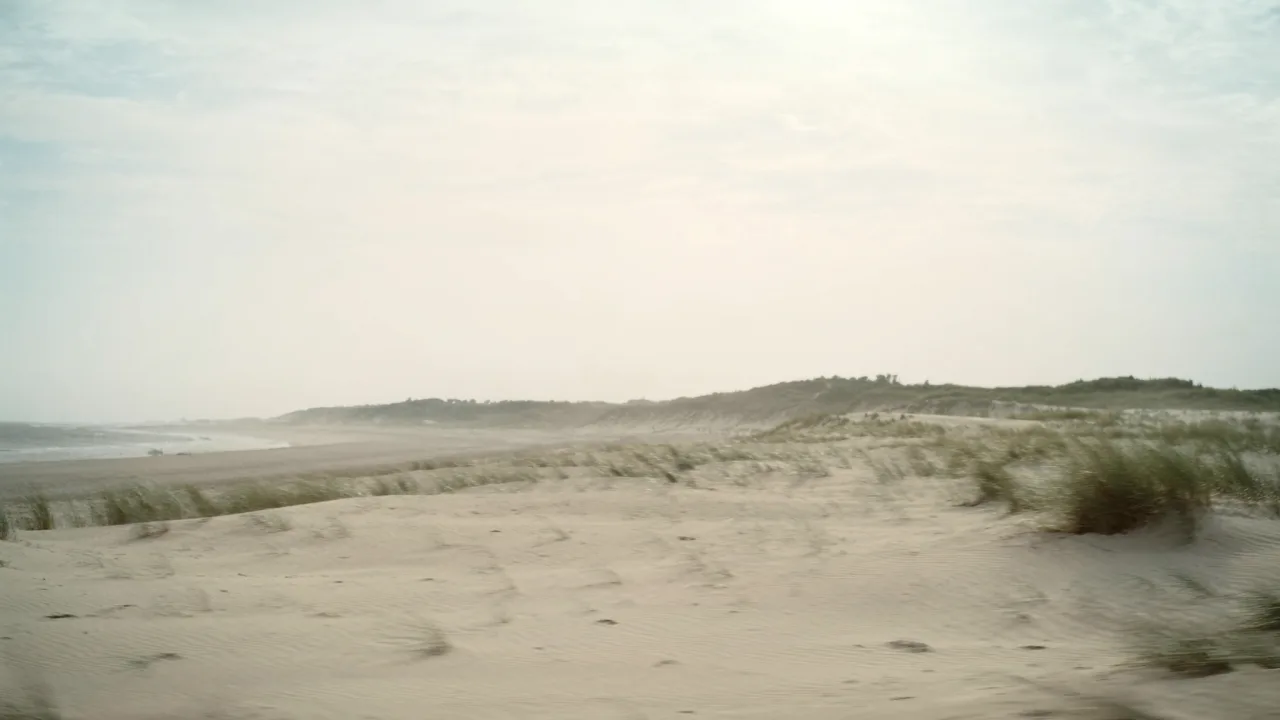
The Jacques Cousteau National Estuarine Research Reserve, designated in 1998, preserves a remarkably intact estuarine landscape where the Mullica River meets Great Bay in southern New Jersey. As one of the least disturbed estuaries in the densely populated Northeast, with less than one percent of its surroundings altered by development, it offers an exceptionally pristine coastal sanctuary. Part of NOAA's National Estuarine Research Reserve System and managed daily by Rutgers University, this reserve uniquely bears the name of an individual, honoring the renowned ocean explorer. Its salt marshes, tidal creeks, and upland woods provide a living laboratory and quiet retreat.
Best season — Spring and fall migrations bring peak bird diversity; summer offers warm paddling and active marsh wildlife; winter reveals serene, wind-swept landscapes.
Why visit the Jacques Cousteau NERR?
The reserve offers an uncrowded window into one of the Northeast's least disturbed estuaries, where salt marshes teem with life and the Mullica River winds through unspoiled coastal habitats. It’s a unique tribute to Jacques Cousteau, providing a serene setting for discovery and reflection.
- Protects a remarkably undisturbed estuary, with fewer than one percent of its surroundings developed.
- The only National Estuarine Research Reserve named after an individual.
- Managed locally by Rutgers University as part of the NOAA NERR System.
At a glance
The facts worth checking before you roll out
Conservative, source-minded facts for planning your visit — always worth confirming against current conditions before you travel.
Managing agency
NOAA National Estuarine Research Reserve System; daily management led by Rutgers University, Institute of Marine and Coastal Sciences
State/Region
New Jersey (near Tuckerton, within the New Jersey Pinelands and Mullica River-Great Bay)
Defining characteristic
One of the least disturbed estuaries in the densely populated Northeastern US, with less than one percent subjected to human development; only NERR named after an individual
Designated
1998
On the ground
Established in 1998, Jacques Cousteau National Estuarine Research Reserve protects a significant and remarkably intact estuarine landscape. Located where the Mullica River meets Great Bay in southern New Jersey, it’s valuable as one of the least developed estuaries in the Northeast. Less than one percent of the area shows signs of human alteration, making it an important coastal sanctuary managed by Rutgers University.
RV travelers come to quietly explore this resilient ecosystem. Opportunities center on observing wildlife and appreciating the natural rhythms of the tidal creeks and salt marshes. The reserve provides a living laboratory for understanding estuarine processes and offers peaceful settings for nature observation along the Mullica River-Great Bay estuary, focusing on quiet exploration.
The best times to visit align with seasonal changes. Spring and fall bring vibrant bird migrations, enriching wildlife viewing. Summer months offer warm conditions ideal for paddling and observing active marsh life. Winter reveals a serene landscape shaped by wind and weather, offering a different perspective on the coastal environment.
Consider establishing a basecamp in the general vicinity of Tuckerton within the New Jersey Pinelands to explore the reserve. This area provides access while allowing you to experience the broader regional character. From there, plan day trips to immerse yourself in the unique estuarine habitats and appreciate this tribute to Jacques Cousteau.
Official sources
- NOAA — Jacques Cousteau National Estuarine Research Reserve Government source
Nearby & related
Keep planning New Jersey
Sourced costs, campground directories, and the places worth a detour — the next layer of New Jersey trip planning.
Planning an RV trip near Jacques Cousteau National Estuarine Research Reserve: An RV Traveler's Guide?
Was this guide helpful?