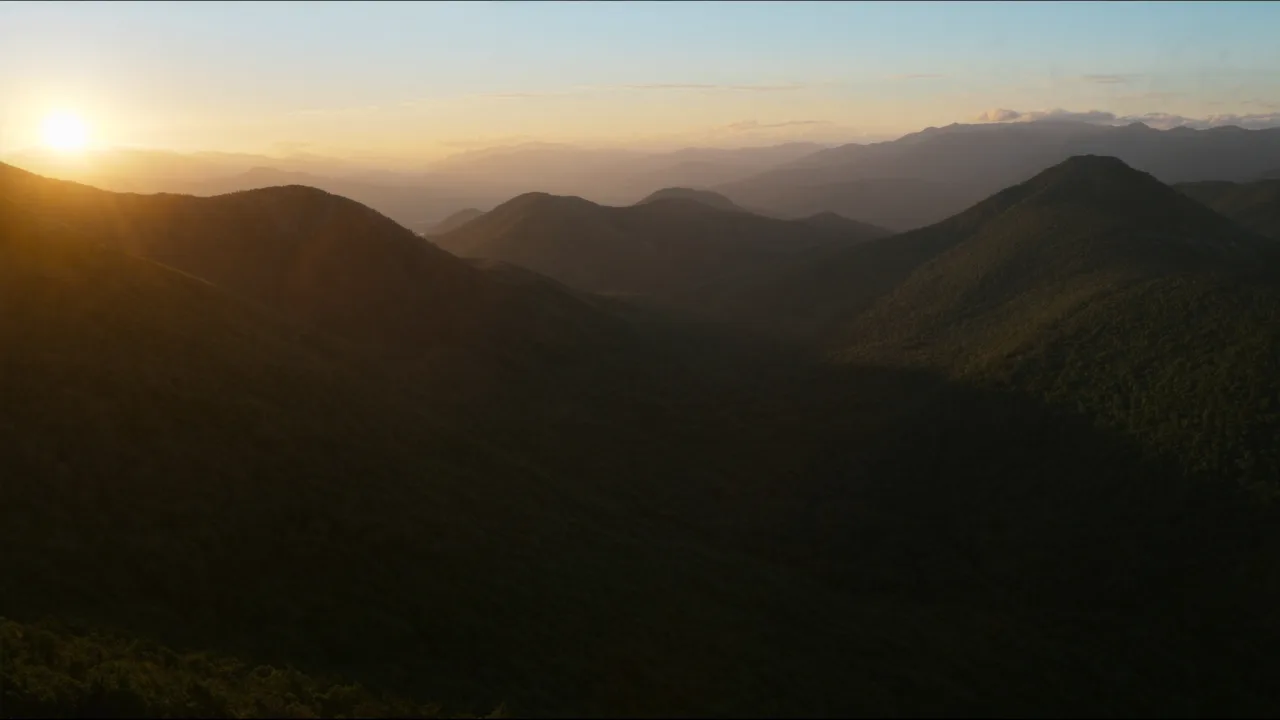
Designated in 1989 and protecting 10,235 acres, Great Bay NERR is New Hampshire’s largest estuarine system. This reserve encompasses Great Bay, Little Bay, and tidal portions of five rivers, weaving together salt marsh, mudflats, eelgrass beds, rocky intertidal, tidal creeks, and upland forests and fields. Managed as part of NOAA’s National Estuarine Research Reserve System and overseen locally by the New Hampshire Fish and Game Department, the site offers a quiet, expansive landscape where fresh and salt waters meet, attracting migratory birds and diverse marine life.
Best season — Spring through fall offers peak bird migration and the best paddling conditions; winter brings quiet solitude and frozen bay views.
What makes Great Bay National Estuarine Research Reserve special for a visit?
It’s a vast, protected tidal bay where freshwater rivers mix with the Atlantic, creating rich habitat for migratory birds, fish, and other wildlife. Visitors experience a quiet, undeveloped shoreline of salt marsh, eelgrass, and mudflats, ideal for birding, paddling, and scenic exploration.
- Protects 10,235 acres of estuarine habitats.
- Designated in 1989 as part of NOAA’s National Estuarine Research Reserve System.
- Encompasses Great Bay, Little Bay, and tidal portions of five rivers.
At a glance
The facts worth checking before you roll out
Conservative, source-minded facts for planning your visit — always worth confirming against current conditions before you travel.
Managing agency
NOAA National Estuarine Research Reserve System; managed day-to-day by the New Hampshire Fish and Game Department Marine Fisheries Division
State/Region
New Hampshire; New Hampshire's largest estuarine system, encompassing Great Bay, Little Bay and tidal portions of five rivers
Defining characteristic
Habitats include upland forest, salt marsh, mudflats, tidal creeks, rocky intertidal, eelgrass beds, and upland fields
Designated / Acreage
Designated 1989; protects 10,235 acres
On the ground
Great Bay National Estuarine Research Reserve, established in 1989, safeguards over ten thousand acres of New Hampshire’s largest estuarine system. It preserves a unique meeting place of fresh and salt water, encompassing Great Bay, Little Bay, and the tidal reaches of five rivers. This protected area is crucial for diverse marine life and supports migratory bird populations along the Atlantic flyway.
RV travelers to the reserve primarily engage in quiet observation of the natural environment. Birding opportunities are abundant with views across the expansive waters, and the mosaic of salt marsh, mudflats, and rocky shores encourages peaceful exploration. The area is well-suited for those seeking a serene escape focused on wildlife viewing and appreciating estuarine habitats.
Visiting from spring through fall coincides with peak bird migration and optimal conditions for paddling. These seasons offer warmer temperatures and increased activity within the reserve’s ecosystems. Winter provides a different experience, characterized by quiet solitude and views of the bay potentially frozen over, though access may be limited depending on conditions.
Consider establishing a basecamp in a nearby community to explore Great Bay NERR. This allows for flexible day trips to various points along the estuarine system. From this location, RVers can easily access the reserve’s habitats and enjoy its natural beauty while maintaining the convenience of familiar amenities.
Official sources
- NOAA — Great Bay National Estuarine Research Reserve Government source
Nearby & related
Keep planning New Hampshire
Sourced costs, campground directories, and the places worth a detour — the next layer of New Hampshire trip planning.
- New Hampshire RV rental costFuel · camping · tax, sourced
- New Hampshire RV-friendly campgroundsHookups, rig limits, booking tips
- Campervan & van rentals in New HampshireVan-life routes, rules & rigs
- Historic sitesHistory worth the detour
- Wild & scenic riversFree-flowing river trips
- BattlefieldsHallowed-ground history stops
- RV driving & licensingLicenses, lanes & low bridges
Planning an RV trip near Great Bay National Estuarine Research Reserve: An RV Traveler's Guide?
Was this guide helpful?