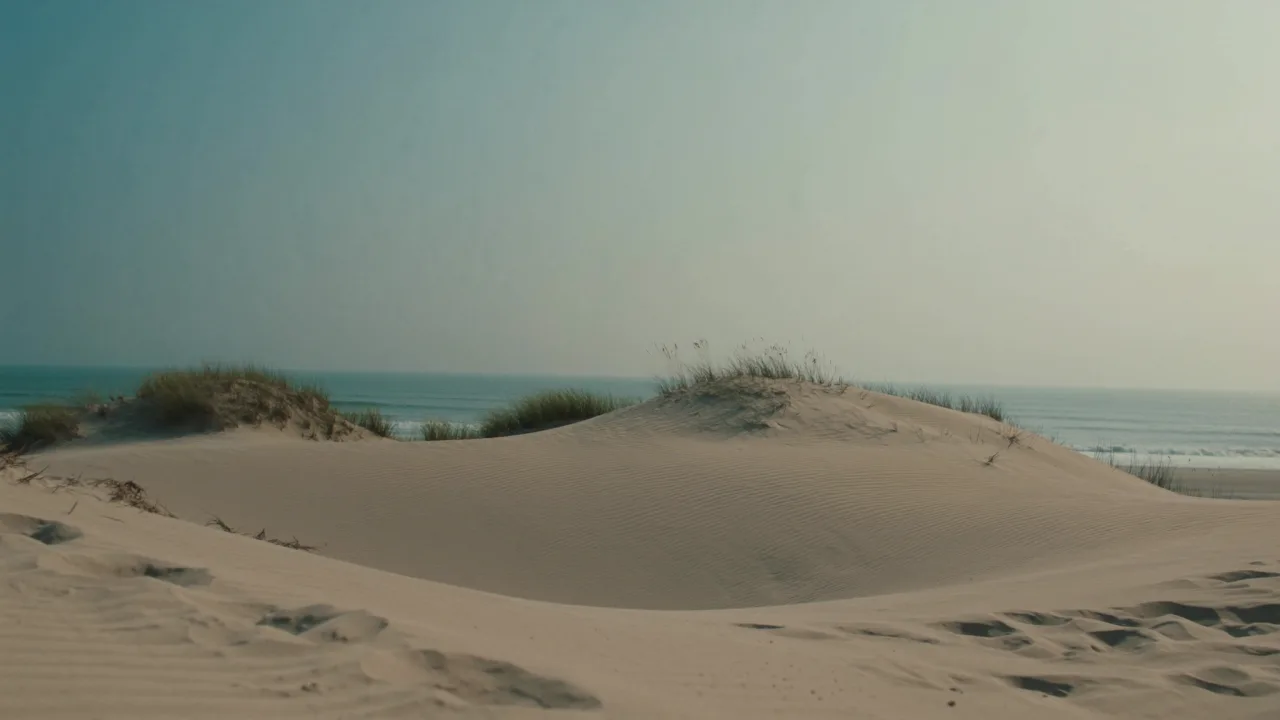
The Delaware National Estuarine Research Reserve spans two pristine tidal river systems—the St. Jones and Blackbird Creek—where freshwater meets the Delaware Bay. Protected by NOAA, this living laboratory preserves vast salt marshes, mudflats, and upland forests that serve as critical nurseries for finfish and shellfish. Boardwalk trails wind through waving cordgrass, offering intimate views of a rich ecosystem. It’s a prime destination for birders, paddlers, and anyone drawn to the timeless rhythm of coastal wetlands, with a visitor center and coastal training program that inspire deeper understanding of estuary conservation.
Best season — Spring and fall migrations offer peak birdwatching; late spring sees horseshoe crabs spawning. Summer is ideal for kayaking and warm-weather paddling, while winter provides quiet solitude and views of overwintering waterfowl.
Why is the Delaware NERR a top birding destination?
The reserve lies along the Atlantic Flyway, with vast salt marshes and mudflats that attract thousands of shorebirds, waterfowl, and raptors during migration. Spring also brings a spectacle of horseshoe crabs spawning, drawing red knots and other shorebirds to feast on eggs.
- Vital shorebird feeding grounds during migration
- Horseshoe crab spawning draws red knots and ruddy turnstones
- Salt marsh and open water attract osprey, herons, and egrets
At a glance
The facts worth checking before you roll out
Conservative, source-minded facts for planning your visit — always worth confirming against current conditions before you travel.
Managing agency
NOAA National Estuarine Research Reserve System; managed by the Delaware Department of Natural Resources and Environmental Control (DNREC)
State/Region
Delaware; two components - Blackbird Creek (near Townsend) and St. Jones River on Delaware Bay (Dover)
Defining characteristic
Freshwater wetlands, ponds, forest, salt marsh and open water; spawning grounds for horseshoe crabs whose eggs support migratory shorebirds
Designated / Acreage
Designated 1993; protects 6,364 acres
On the ground
The Delaware National Estuarine Research Reserve protects tidal river systems where freshwater meets the Delaware Bay. Managed by NOAA and the Delaware Department of Natural Resources, this area preserves salt marshes, mudflats, and forests. These habitats are critical nurseries for finfish and shellfish, ensuring healthy coastal ecosystems. Boardwalks offer access to observe this unique environment.
RV travelers can explore the Reserve via kayak on the St. Jones River or by walking the boardwalk trails through the salt marsh. The visitor center provides information about ongoing research and estuary conservation efforts. Opportunities abound for birdwatching, observing horseshoe crabs, and simply enjoying the quiet beauty of Delaware’s coastal wetlands.
Spring and fall bring peak bird migration activity, with vast numbers of shorebirds utilizing the Reserve's resources. Late spring offers a unique spectacle: horseshoe crab spawning. Summer provides warm conditions ideal for paddling, while winter presents a quieter experience for viewing overwintering waterfowl in the open waters.
Consider establishing a basecamp somewhere central within Delaware to easily access both components of the Reserve—Blackbird Creek near Townsend and St. Jones River near Dover. This allows flexible exploration of these distinct areas. Plan days dedicated to the Reserve, interspersed with other coastal Delaware attractions for a well-rounded RV trip.
Official sources
- NOAA — Delaware National Estuarine Research Reserve Government source
Nearby & related
Keep planning Delaware
Sourced costs, campground directories, and the places worth a detour — the next layer of Delaware trip planning.
Planning an RV trip near Delaware National Estuarine Research Reserve: An RV Traveler's Guide?
Was this guide helpful?