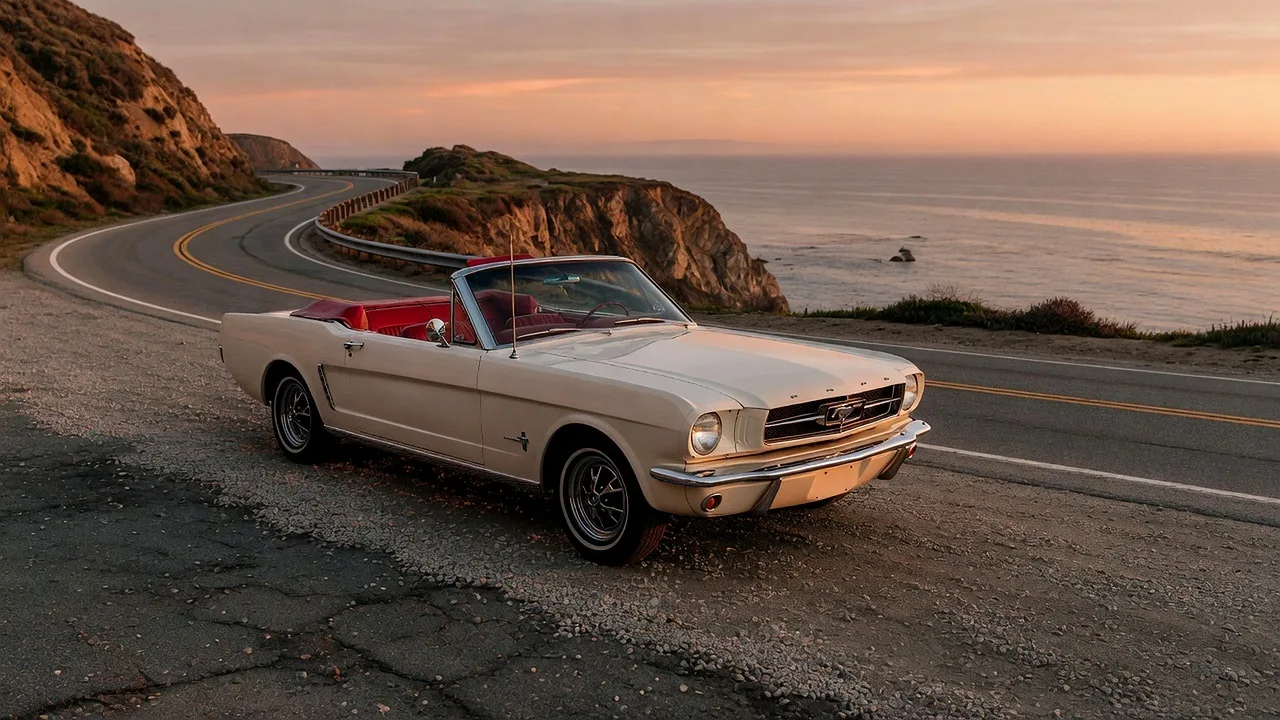
Classic renter guide
Classic Car Insurance Guide — Collector Policy, Renter Liability on PickRV
Insuring a classic car is different from insuring a modern. Standard auto policies handle modern cars at market value; classic policies use agreed value set at policy inception. The renter's own liability coverage sits alongside the host's collector policy.
- Guide sections
- 5
- Sources cited
- 3
Why classic insurance is different
Standard auto insurance values the vehicle at market value at time of loss — the insurance company looks up the car's depreciated value and pays out that amount.
Classic / collector insurance uses agreed value, set when the policy is written. If your 1969 Camaro Z/28 is appraised at $85,000 at policy inception, that is what the policy pays out on total loss. The car's market may have moved up; the policy still pays the agreed value.
Collector policies typically have annual mileage limits (3,000-7,500 miles per year). Use beyond the mileage cap may void coverage.
Collector policies typically require secured storage (locked garage, club-affiliated storage facility). Open street parking may violate the policy.
Who issues collector policies
Collector policies are written by licensed specialty carriers that focus on the classic and collector market rather than daily-driver auto. Several are long-established (some dating to the 1940s) and are widely used among classic-car owners.
These licensed collector-car carriers typically offer agreed-value coverage, low-mileage and secured-storage tiers, and broad coverage for vintage cars, vintage motorcycles, and pre-war automobiles.
PickRV is not affiliated with any insurer, and does not sell or offer coverage — renters arrange their own coverage. This guide is informational only.
How rental fits into the insurance picture
When a host rents a classic on PickRV, the host's collector policy needs to permit rental use. Not all collector policies do — some require the host to add a rental-use endorsement.
PickRV requires every classic host to disclose the rental-use status of their collector policy during onboarding. We do not list rigs without confirmed rental-permitted coverage.
Renter liability is the renter's own responsibility — bring your own coverage (a personal auto or RV policy). The host's collector policy covers the rig (the hull), not the renter's driver liability.
Renter physical damage (the hull) is the host's collector policy at agreed value. The renter may be responsible for the policy deductible in the event of damage.
What's covered, what's not
Renter liability (third-party injury or property damage caused by the renter operating the rig) is covered only by the renter's own coverage — PickRV is not an insurer and does not sell or offer coverage.
Covered: physical damage to the rig, at the host's collector policy agreed value, minus the policy deductible.
NOT covered: damage from racing, competition, off-road use, or moving the rig outside the rental's permitted geography.
NOT covered: damage from operating the rig while intoxicated, or by an unauthorized driver.
NOT covered: pre-existing mechanical defects discovered during the rental (these are the host's responsibility, not the renter's).
Common renter questions
'Does my personal auto policy cover the rental?' — Almost certainly no. Personal auto policies typically exclude rentals over $50K in value, exclude classic vehicles entirely, or include such low limits that they do not provide meaningful coverage.
'Do I need my own insurance for a weekend rental?' — Yes, in most cases. Renters bring their own coverage, and because personal auto policies rarely cover classic rentals well, arranging appropriate coverage before the trip is strongly recommended.
'What's the deductible?' — Varies per host. Most collector policies have $1,000-$2,500 deductibles. The booking terms disclose the specific deductible.

Sources cited (AACA / Hagerty / SCM / manufacturer archives)
FAQs
Is collector insurance more expensive than standard?
Per-year premium is often comparable to or lower than standard auto insurance for the same vehicle value, because collector policies assume the car is not daily-driven. Annual mileage caps and secured-storage requirements drive the lower premium.
What if I have an accident in a rental?
Notify the host immediately. The host's collector carrier handles the physical-damage claim; the renter's own liability coverage handles third-party injury and property-damage claims arising from the renter's operation. The renter pays the policy deductible.
Are vintage motorcycles covered the same way?
Similar structure: collector motorcycle policy on the host's side, the renter's own liability coverage on the renter's side. Vintage motorcycle rentals are a niche segment of PickRV's classic cohort; same insurance logic applies.