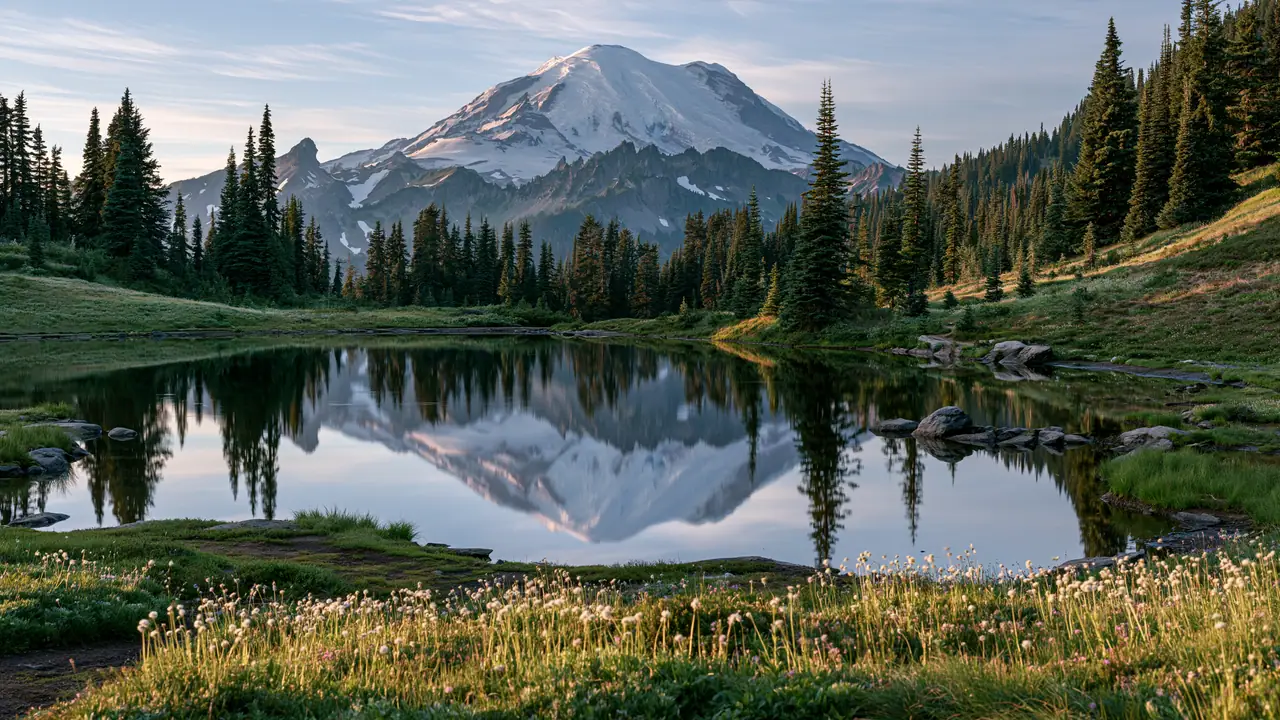
A mosaic of islets, rocky headlands, and historic light stations strung across the Salish Sea. The monument protects habitat for black oystercatchers, marbled murrelets, and charismatic marine mammals like orcas and river otters. On wind-whipped points, century-old lighthouses still stand sentinel. Kayakers paddle shoreline corridors rich with bull kelp, while shore-based visitors scan for bald eagles and migrating gray whales. The scenery shifts with the tide, offering a coastal Pacific Northwest experience shaped by salt spray, island forests, and open water.
Best season — Late spring through early fall offers calmer seas for paddling and better odds of seeing orcas. Summer brings wildflowers on grassy bluffs and extended daylight, though fog can roll in unexpectedly. Weather is mild but changeable; the off-season suits solitude seekers who don't mind the mist.
What makes the monument a unique coastal experience?
It stitches together wild islets and dramatic shorelines into a protected tapestry that feels remote yet is surprisingly accessible from Washington's ferry-served islands. The convergence of nutrient-rich currents fuels a vibrant food web, making it a year-round stage for marine life spectacles.
- Scattered across the Salish Sea, the monument spans roughly 1,000 acres of rocky islets and headlands.
- Designated by presidential proclamation on March 25, 2013, it is managed by the Bureau of Land Management.
- Cultural features include decommissioned light stations, while waters support rich intertidal life and nesting seabirds.
At a glance
The facts worth checking before you roll out
Conservative, source-minded facts for planning your visit — always worth confirming against current conditions before you travel.
Managing agency
Bureau of Land Management (Department of the Interior)
State
Washington
Established
Designated March 25, 2013 by presidential proclamation (President Obama)
Acreage
Approximately 1,000 acres across rocks and islands of the San Juan Archipelago
On the ground
San Juan Islands National Monument protects a mosaic of approximately 1,000 acres encompassing islets, rocky headlands and historic light stations within the Salish Sea. Designated in 2013 and managed by the Bureau of Land Management, it preserves critical habitat for species like black oystercatchers, marbled murrelets, and marine mammals. This monument offers a unique coastal experience blending cultural history with thriving ecosystems.
RV travelers primarily engage in day-use activities within the San Juan Islands National Monument. Opportunities include hiking along shorelines, wildlife viewing—scanning for orcas, river otters, bald eagles, and migrating gray whales—and kayaking among kelp forests. The monument's scattered nature encourages exploration of its wild islets and dramatic headlands; however, there are no developed campgrounds within the monument itself.
Late spring through early fall generally provides calmer seas ideal for paddling and enhances opportunities to observe orcas. Summer months bring wildflowers blooming on grassy bluffs alongside extended daylight hours, though fog is a possibility. The off-season appeals to those seeking solitude and accepting of milder, mistier conditions; the weather remains changeable throughout the year.
Plan an RV trip by basing on one of the ferry-served islands near the San Juan Islands National Monument. From there, reach different points for day trips focused on hiking or launching kayaks. The monument’s scattered islets call for self-sufficiency and planning, and for respecting sensitive wildlife areas across these protected lands.
Official sources
- Bureau of Land Management — San Juan Islands National Monument Bureau of Land Management
Nearby & related
Keep planning Washington
Sourced costs, campground directories, and the places worth a detour — the next layer of Washington trip planning.
- Washington RV rental costFuel · camping · tax, sourced
- Washington RV-friendly campgroundsHookups, rig limits, booking tips
- Campervan & van rentals in WashingtonVan-life routes, rules & rigs
- National monumentsProtected-land guides
- Scenic landmarksBucket-list overlooks
- Wildlife refugesWildlife-watching stops
- RV lifehacksCamp-smarter field tricks
Planning an RV trip near San Juan Islands National Monument: An RV Traveler's Guide?
Was this guide helpful?