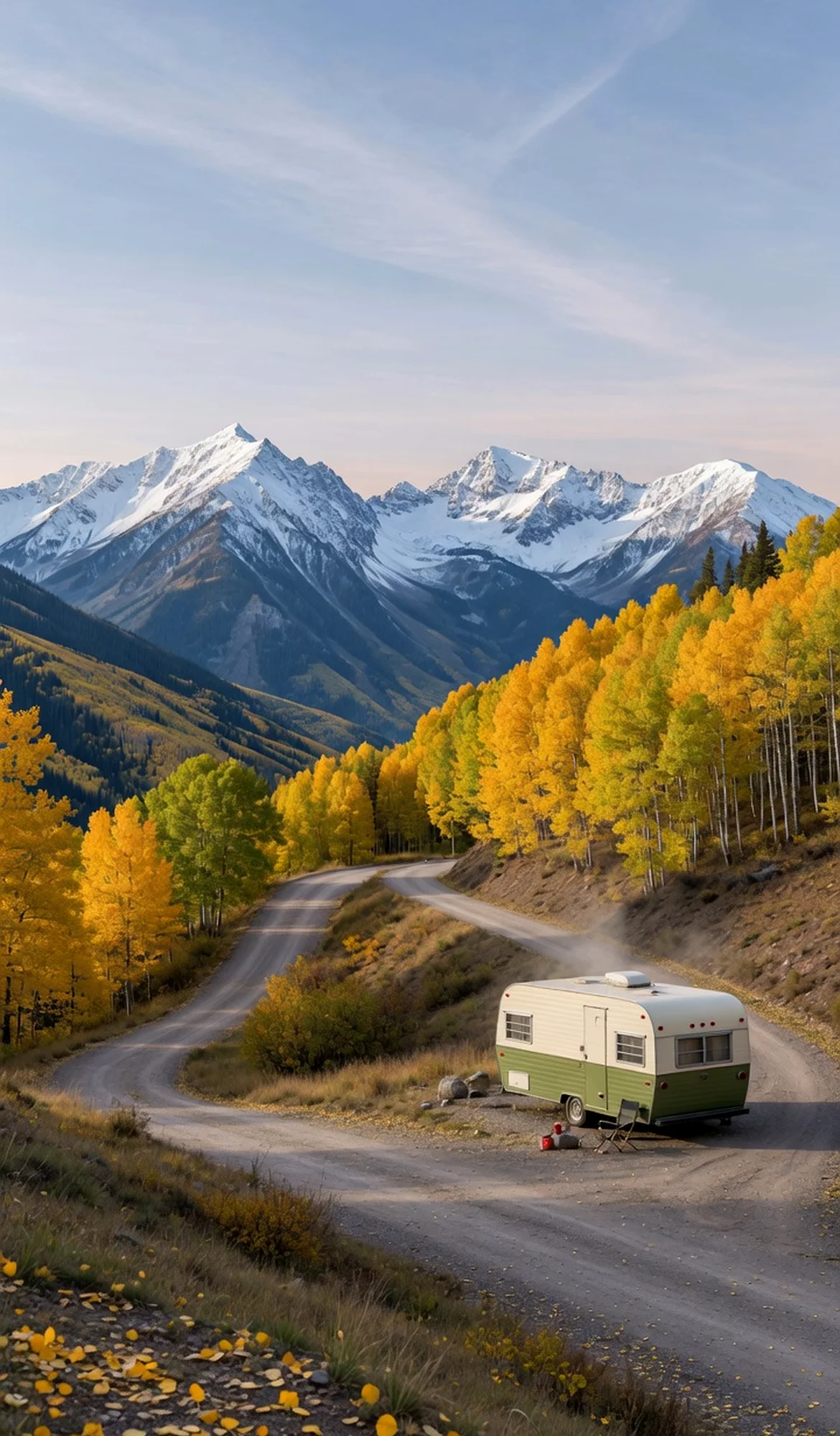
Nestled along the Colorado–Utah border just west of Grand Junction, McInnis Canyons NCA unfurls a vast expanse of red-rock canyons and towering sandstone arches. Managed by the Bureau of Land Management, this approximately 123,739-acre landscape, established in 2000, features the Black Ridge Canyons Wilderness and contains the second-largest concentration of natural arches in North America. RVers can find quiet solitude amid stunning desert scenery, with opportunities for hiking, primitive camping, and dark-sky stargazing.
Best season — Spring and fall deliver pleasant temperatures for hiking and camping, while summers often bring intense heat and winters can be cold with occasional snow. The shoulder seasons are the most comfortable for extended RV stays.
Why is McInnis Canyons a must-visit for RV travelers?
McInnis Canyons delivers uncrowded red-rock landscapes, with dispersed camping and vast starry skies. RVers can park near trailheads, hike to remarkable arch formations, and soak in the quiet of the wilderness, all near Grand Junction’s services.
- Second-largest concentration of natural arches in North America.
- Spans approximately 123,739 acres of canyons and wilderness.
- Provides a remote, tranquil escape with star-filled night skies.
At a glance
The facts worth checking before you roll out
Conservative, source-minded facts for planning your visit — always worth confirming against current conditions before you travel.
Managing agency
Bureau of Land Management
Location
Western Colorado near Grand Junction (extending into eastern Utah)
Established
October 24, 2000 (Public Law 106-353); renamed for Rep. Scott McInnis in 2005
Known for
Black Ridge Canyons Wilderness with the second-largest concentration of natural arches in North America; ~123,739 acres
On the ground
McInnis Canyons National Conservation Area, managed by the Bureau of Land Management, protects approximately 123,739 acres along the Colorado–Utah border. Established in 2000 and later renamed, it preserves a significant landscape of red-rock canyons and sandstone arches. The area is notable for containing the second-largest concentration of natural arches in North America, offering substantial conservation value.
RV travelers to McInnis Canyons find opportunities for backcountry exploration. The Black Ridge Canyons Wilderness offers trails suitable for hiking with views of the arch formations. Wildlife viewing is possible; desert bighorn sheep and golden eagles inhabit the area. This NCA provides a quieter experience than more heavily visited parks, emphasizing solitude.
The most comfortable seasons for RV travel in McInnis Canyons are spring and fall. These shoulder seasons offer pleasant temperatures ideal for hiking and dispersed camping. Summers can bring intense heat, while winters may present cold conditions with occasional snowfall, impacting accessibility to certain areas within the conservation area.
Consider establishing a basecamp near Grand Junction when exploring McInnis Canyons. This allows convenient access for day trips into the NCA. RVers can then explore trails and enjoy the scenery, returning each evening to services and amenities outside of the remote conservation area. Planning ahead is essential due to limited developed facilities.
Official sources
- Bureau of Land Management — McInnis Canyons National Conservation Area Bureau of Land Management
Nearby & related
Keep planning Colorado
Sourced costs, campground directories, and the places worth a detour — the next layer of Colorado trip planning.
- Colorado RV rental costFuel · camping · tax, sourced
- Colorado RV-friendly campgroundsHookups, rig limits, booking tips
- Campervan & van rentals in ColoradoVan-life routes, rules & rigs
- RV rentals in ColoradoPickRV Wiki · 6 min read
- LighthousesCoast-road waypoints
- Sand dunesDune fields worth the climb
- Fossil sitesDeep-time road stops
- Deep trip guidesLong-form seasonal playbooks
Planning an RV trip near McInnis Canyons National Conservation Area: An RV Traveler's Guide?
Was this guide helpful?