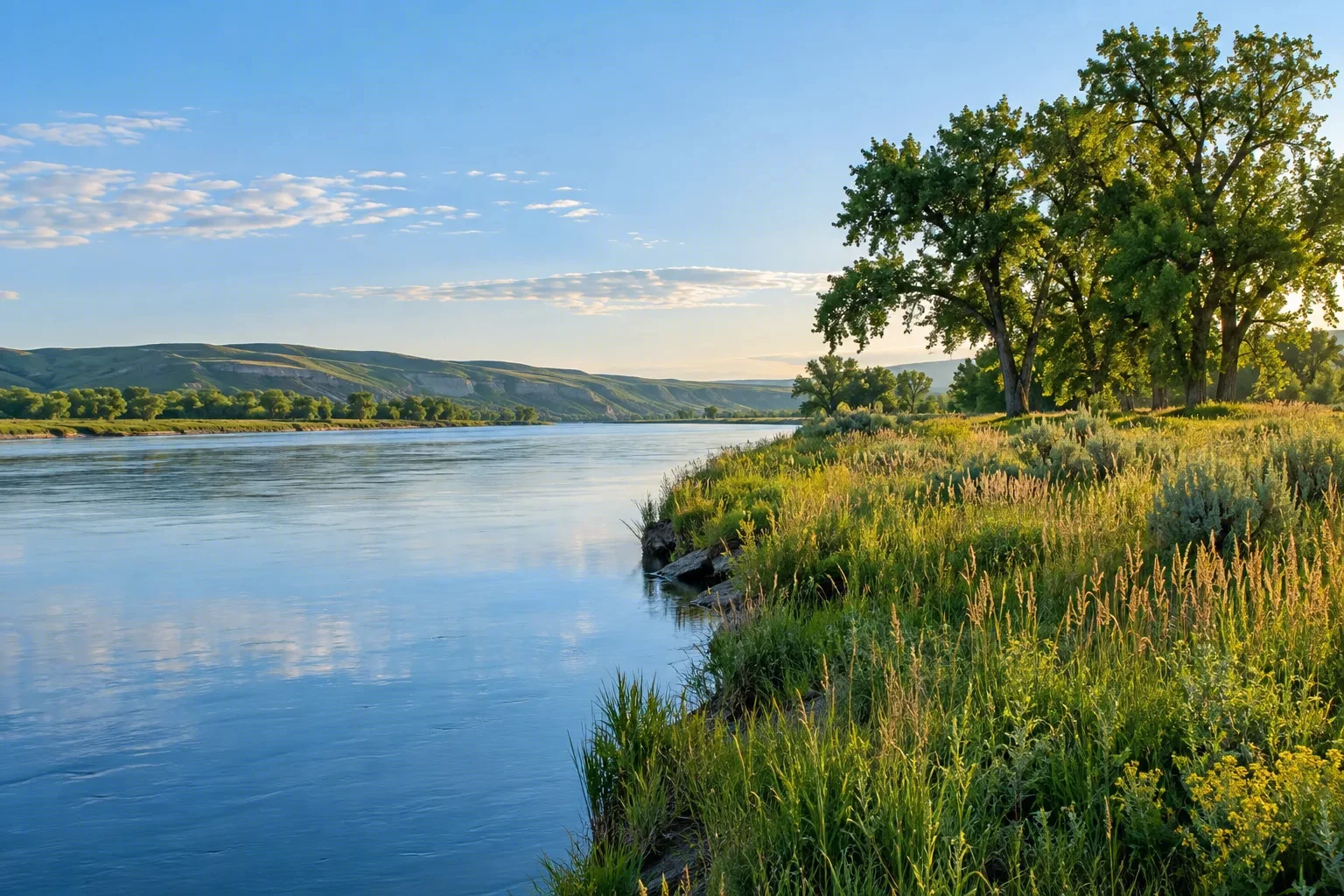
Plunging through a spectacular canyon in the Absaroka Mountains, the Clarks Fork of the Yellowstone is a federally protected Wild and Scenic River that epitomizes northwest Wyoming’s untamed character. Its turquoise waters churn over boulder-strewn rapids, flanked by walls soaring hundreds of feet. Designated in 1990, the wild segment offers a pristine backdrop for anglers and rafters, with no roads along its banks. Adventurous RVers find solitude amid roaring waterfalls, deep gorges, and forested slopes where bighorn sheep and eagles roam.
Best season — Late spring through early fall; June offers peak flows for rafting, while July to September sees tamer water for fishing and hiking. High-elevation snowmelt can keep waters cold and fast well into summer.
Why is the Clarks Fork of the Yellowstone designated as Wild and Scenic?
The 20.5-mile wild segment protects a dramatic canyon of outstanding geological and scenic value, carved through ancient volcanic rock. It supports challenging whitewater paddling, remote trout fishing, and critical wildlife habitat, all while remaining free-flowing and undeveloped.
- The river plunges through a deep gorge with walls reaching over 1,000 feet high
- Challenging whitewater rapids provide a remote, expert-level paddling experience
- Native Yellowstone cutthroat trout inhabit its cold, clear pools and riffles
- No road access along the designated segment preserves backcountry solitude
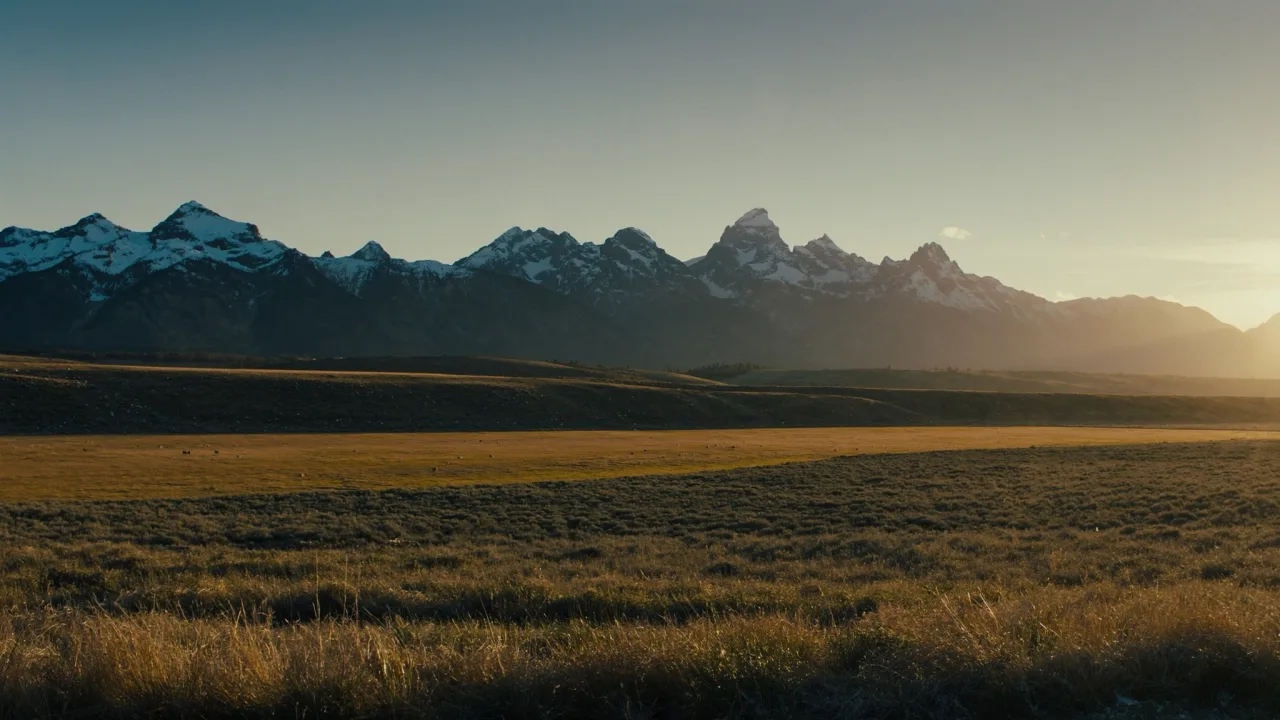
At a glance
The facts worth checking before you roll out
Conservative, source-minded facts for planning your visit — always worth confirming against current conditions before you travel.
State
Wyoming
Designated
November 28, 1990
Total designated mileage
20.5 miles, entirely classified Wild
Administering agency
Shoshone National Forest (U.S. Forest Service)
On the ground
The Clarks Fork of the Yellowstone is a federally protected Wild and Scenic River in northwest Wyoming, designated in 1990. This 20.5-mile segment preserves a dramatic canyon carved through ancient volcanic rock. Protecting free-flowing waters and undeveloped character are primary goals, ensuring a pristine environment for both wildlife and recreation within Shoshone National Forest.
RV travelers to the Clarks Fork experience a remote wilderness setting. Opportunities include backcountry fishing for native cutthroat trout and viewing bighorn sheep and eagles. The river’s rugged canyon offers dramatic mountain views; however, access is limited by the lack of roads along the wild segment requiring planning for off-river enjoyment.
The best time to visit spans late spring through early fall. June provides peak flows ideal for experienced whitewater rafters while July to September offer calmer conditions suited for fishing and hiking. Consistent cold water temperatures are maintained into summer due to high elevation snowmelt, influencing river activities throughout the season.
Consider establishing a basecamp within the broader region to explore the Clarks Fork. This allows day trips to appreciate the scenery without attempting to navigate an RV directly alongside the wild river segment. Focus on enjoying views of the canyon and surrounding forested slopes while utilizing nearby facilities for vehicle parking and services.
Official sources
- U.S. Forest Service — Clarks Fork of the Yellowstone Wild and Scenic River USDA Forest Service
Nearby & related
Keep planning Wyoming
Sourced costs, campground directories, and the places worth a detour — the next layer of Wyoming trip planning.
- Wyoming RV rental costFuel · camping · tax, sourced
- Wyoming RV-friendly campgroundsHookups, rig limits, booking tips
- Campervan & van rentals in WyomingVan-life routes, rules & rigs
- RV rentals in WyomingPickRV Wiki · 6 min read
- National preservesBackcountry-scale wilds
- Lakes & reservoirsWaterside camps & guides
- Hot springsSoak-worthy road stops
- RV driving & licensingLicenses, lanes & low bridges
Planning an RV trip near Clarks Fork of the Yellowstone Wild and Scenic River: An RV Traveler's Guide?
Was this guide helpful?