Scenic bywayCited official sources
Tamiami Trail — US-41 across the Everglades
275 miles. Two-lane. Big Cypress + Everglades crossing. The route Disney drivers don't see.
Tamiami Trail (US-41) runs from Tampa to Miami across the Florida peninsula via the southern Everglades and Big Cypress National Preserve. The 'Tamiami' name compresses 'Tampa-Miami.' The road was completed in 1928. For RV travelers, the segment from Naples to Miami through Big Cypress and the Everglades is the marquee section — two-lane road through one of the most distinctive ecosystems in the United States.
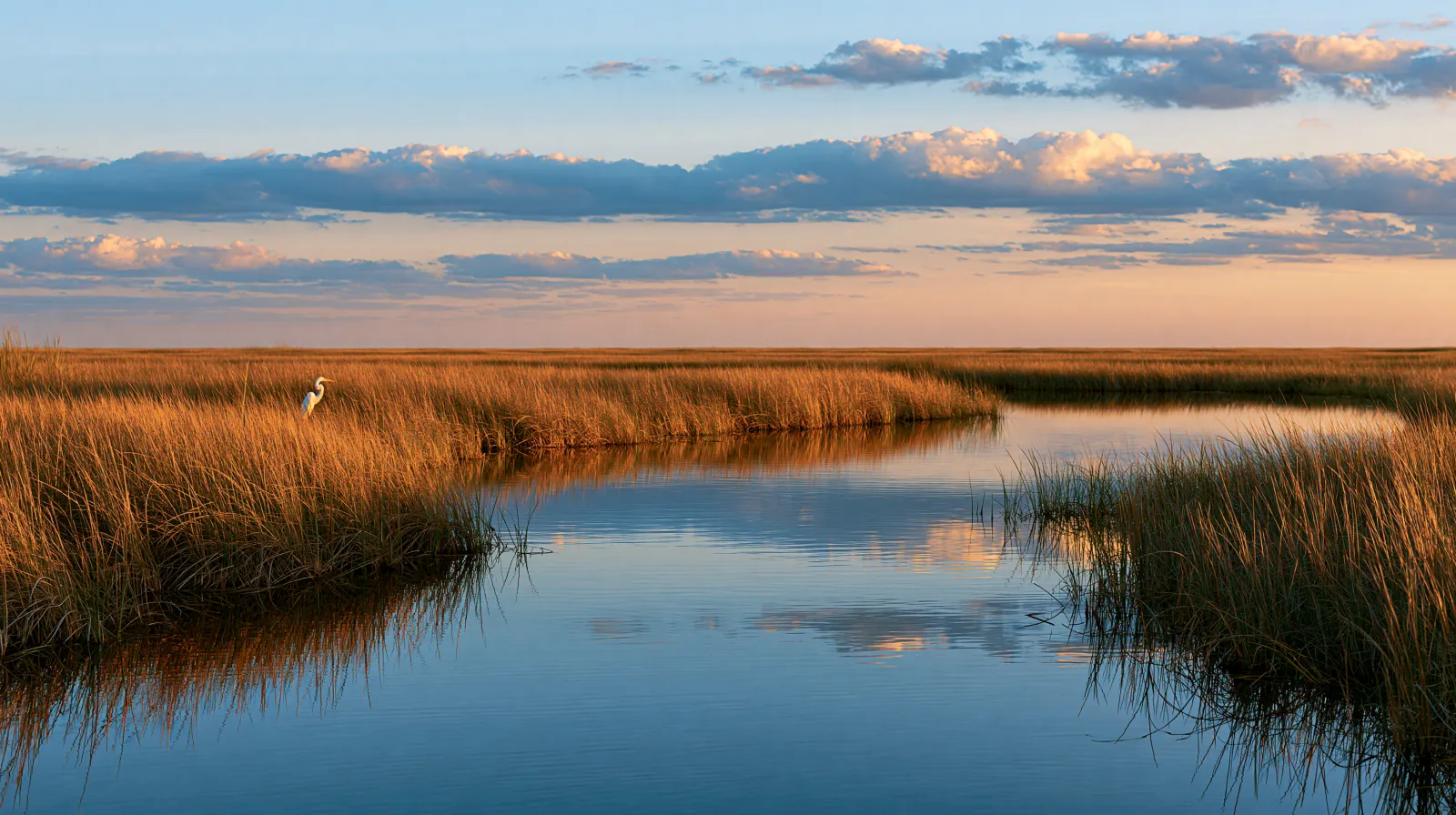
Photo: Everglades sawgrass marsh, Florida — US-41 crosses the Everglades.
Is the Tamiami Trail RV-friendly?
Yes — US-41 has no posted RV restrictions. The road is mostly two-lane through the Everglades sections; passing zones limited. Big Cypress National Preserve and Everglades National Park access via US-41. Multiple campgrounds along the route. Best season is November through April (dry season). Summer brings extreme heat and mosquitoes.
- No RV restrictions on US-41
- Two-lane through Everglades section
- Big Cypress + Everglades access
- Best season: November-April
- Summer mosquito and heat reality
At a glance
Route facts worth checking before you roll out
Conservative, source-minded numbers for planning — always confirm against current conditions and state DOT 511 before you depart.
Distance
275 mi
Tampa to Miami via US-41
Drive time
6–9 hr
2-3 days savoured
Elevation
0–30 ft
RV compatibility
RV-friendly
Best season
November through April. Summer brings 95°F+ heat, intense mosquitoes, and hurricane risk.
Cell coverage. Patchy in Everglades sections. AT&T best in the corridor. Plan offline.
Elevation profile
Sea level the entire route through the Everglades section.
Vehicle restrictions
- No posted RV restrictions
- Two-lane through scenic sections
- Hurricane season may close US-41
Big Cypress + Everglades + indigenous communities
Big Cypress National Preserve borders US-41 for about 50 miles. The Everglades National Park boundary is to the south. Multiple NPS campgrounds and visitor centers along the route — Oasis Visitor Center (Big Cypress), Shark Valley (Everglades), and Long Pine Key Campground.
The Miccosukee Tribe of Indians of Florida and the Seminole Tribe of Florida both have communities along US-41. The Miccosukee Indian Village operates a cultural center and restaurant accessible from the highway. The Seminole tribe operates Big Cypress Reservation about 20 miles north of US-41.
Visiting tribal lands is welcomed for tourists but requires respectful behavior. Photography may be restricted at certain sites. Cultural sensitivity is appropriate.
Indigenous communities along the route
The Miccosukee + Seminole communities
US-41 traverses the historic homelands of the Miccosukee Tribe of Indians of Florida and the Seminole Tribe of Florida. The Everglades and Big Cypress regions remained sovereign sanctuary during the 19th-century Indian Wars when other Southeastern tribes were forcibly relocated to Oklahoma. The communities that remained built lives in the swamps and prairies that no colonial military force could effectively occupy.
Today, both tribes operate cultural centers, restaurants, and gaming facilities. The Miccosukee Indian Village on US-41 is a respected stop for cultural understanding. Visit with cultural humility — these are working communities, not exhibits.
Acknowledgements
- Miccosukee Tribe of Indians of Florida
- Seminole Tribe of Florida
Real warnings
Mosquitoes in summer
Big Cypress mosquito density is genuinely brutal June-September. Bring permethrin-treated clothing and DEET.
cautionAlligators on the road
Real — particularly at dusk and dawn near canals. Drive carefully.
cautionHurricane season closures
US-41 can close in mandatory evacuation phases.
cautionCultural respect at tribal sites
Photography restrictions at Miccosukee sites; observe and respect.
info
What Visit Florida + Naples Daily News doesn't tell you
Florida tourism focuses on coastal beaches; the Everglades and Big Cypress get less prominent placement. That's a mistake for RV travelers — the Tamiami Trail is one of the most distinctive driving experiences in the lower 48. Where else do you see alligators from a paved highway?
The honest framing for RV travelers includes the seasonal reality. November through April is the dry season. The drive is spectacular. Summer is dangerous — extreme heat, mosquitoes, hurricane risk. Plan accordingly.
The indigenous communities along the route are also undercovered in mainstream coverage. Visiting the Miccosukee Indian Village with cultural respect is one of the most meaningful experiences available in the corridor. Don't skip it.
Frequently asked questions
- Can I camp in Big Cypress?
- Yes — Midway Campground (NPS, dispersed primitive), Burns Lake (NPS), and Monument Lake (NPS) accept RVs. Reservation requirements vary.
- What about Everglades?
- Long Pine Key Campground in the main park accepts RVs. Flamingo Campground at the south end of the park has fewer RV-friendly sites.
- Is Shark Valley driveable in an RV?
- Shark Valley road within Everglades NP is a 15-mile tram road. Personal vehicles allowed but RV-unfriendly. Park rig at the visitor center; ride the tram or cycle.
Authoritative sources
- Florida 511 — FDOT traveler information State DOT
- National Park Service — find a park National Park Service
- Recreation.gov — federal campground + permit reservations Recreation.gov
- America's Byways — Federal Highway Administration scenic byway program FHWA National Scenic Byways
Verify current conditions with state DOT 511 systems before departure. RV restrictions may change. Weather may close roads.
Cultural respect
This route crosses or commemorates lands and histories of Indigenous, African American, or other communities. Travel with cultural awareness. Visit tribal cultural centers and support tribal-owned businesses. Respect photography restrictions and sacred sites.
Planning an RV trip along Tamiami Trail?
Was this guide helpful?