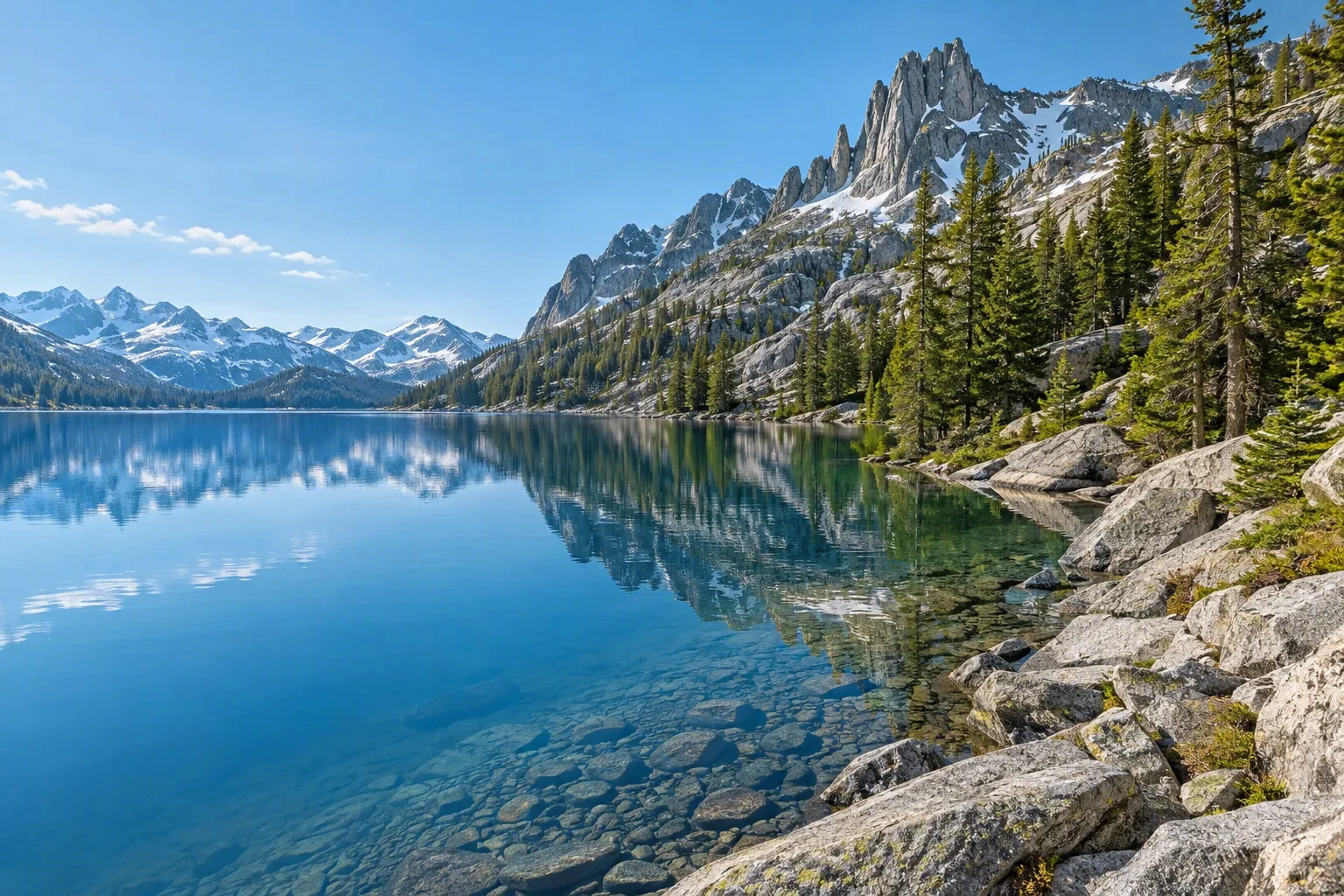
Stretching 120 miles along the Vermont–New York border, Lake Champlain is one of the largest and most historically significant freshwater lakes in the United States. Its deep, clear waters and forested shoreline offer a stunning backdrop for boating, fishing, and wildlife viewing. The lake is part of the Champlain Valley, a region rich in colonial and Revolutionary War history, and is dotted with over 70 islands, many accessible only by boat.
What makes Lake Champlain a unique destination?
Its combination of vast size, deep clear waters, and over 70 islands makes it a top spot for sailing, fishing, and exploring historic forts and lighthouses.
- Over 70 islands, many undeveloped
- Historic sites like Fort Ticonderoga and Crown Point
- Home to the Lake Champlain Sea Grant research program
At a glance
The facts worth checking before you roll out
Conservative, source-minded facts for planning your visit — always worth confirming against current conditions before you travel.
States/jurisdictions
Shared by Vermont, New York, and the Province of Quebec, Canada
Approx. surface area
~455 sq mi (1,179 sq km) per LCBP; some sources cite ~435 sq mi
Length
~120 miles (193 km)
Greatest depth
~400 ft (122 m)
On the ground
Lake Champlain, stretching approximately 120 miles along the Vermont–New York border, is a large freshwater lake with considerable historical significance. Shared by both states and the Province of Quebec, Canada, its roughly 455 square mile area and depths reaching around 400 feet create a unique environment. The surrounding region, known as the Champlain Valley, holds importance from colonial and Revolutionary War periods.
RV travelers to Lake Champlain often center their trips around the lake’s recreational opportunities. Boating and fishing are popular pursuits in its clear waters, with diverse species like lake trout and smallmouth bass present. Many explore the over 70 islands dotting the lake, while others visit historic sites such as Fort Ticonderoga and Crown Point to learn about the area's past.
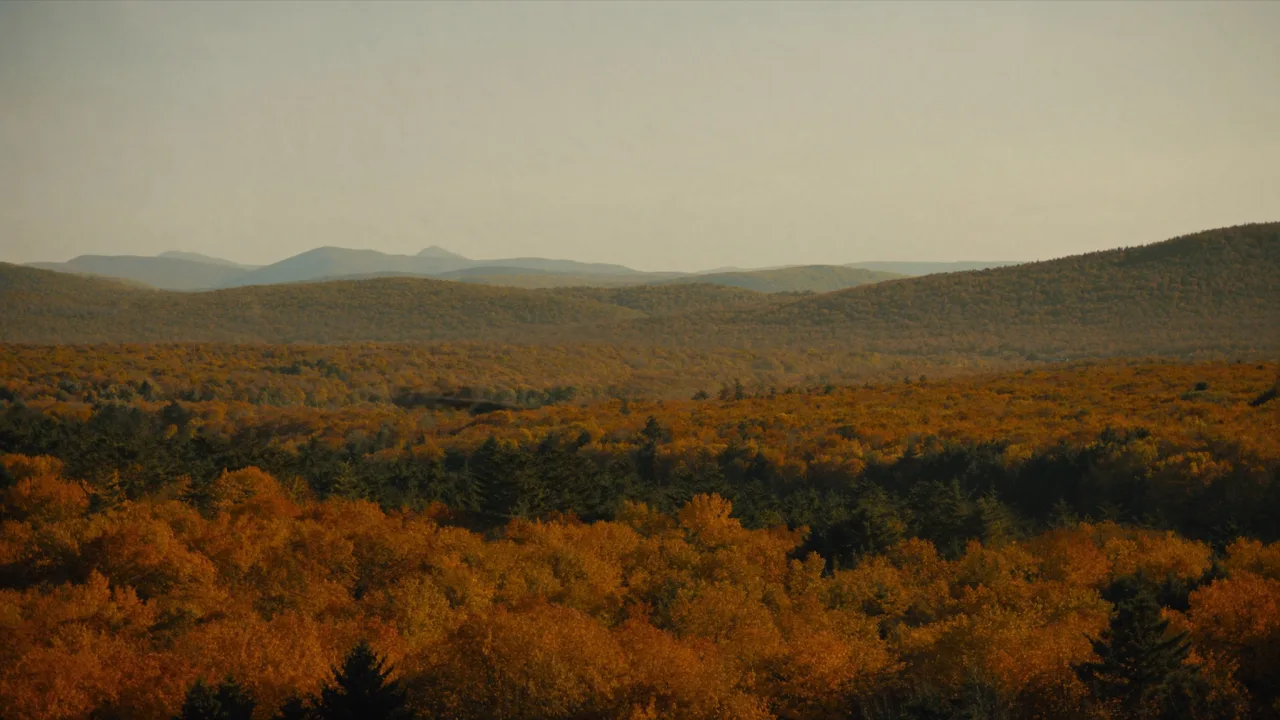
The best time for RV travel around Lake Champlain is between May and October. This period offers favorable weather for outdoor activities and access to most of the region’s attractions. The lake experiences varied conditions throughout these months, making it suitable for different interests, from spring blooms to fall foliage viewing along its forested shoreline.
Consider establishing a basecamp in the area surrounding Lake Champlain to explore at your own pace. From this central location, RV travelers can easily access state parks, historic points of interest and launch day trips to various parts of the lake. This allows for flexible exploration of both Vermont and New York sides without constant relocation.
Official sources
- Official basin program — Lake Champlain Government source
Nearby & related
Keep planning Vermont
Sourced costs, campground directories, and the places worth a detour — the next layer of Vermont trip planning.
- Vermont RV rental costFuel · camping · tax, sourced
- Vermont RV-friendly campgroundsHookups, rig limits, booking tips
- Campervan & van rentals in VermontVan-life routes, rules & rigs
- LighthousesCoast-road waypoints
- Sand dunesDune fields worth the climb
- Fossil sitesDeep-time road stops
- Deep trip guidesLong-form seasonal playbooks
Planning an RV trip near Lake Champlain: An RV Traveler's Guide?
Was this guide helpful?