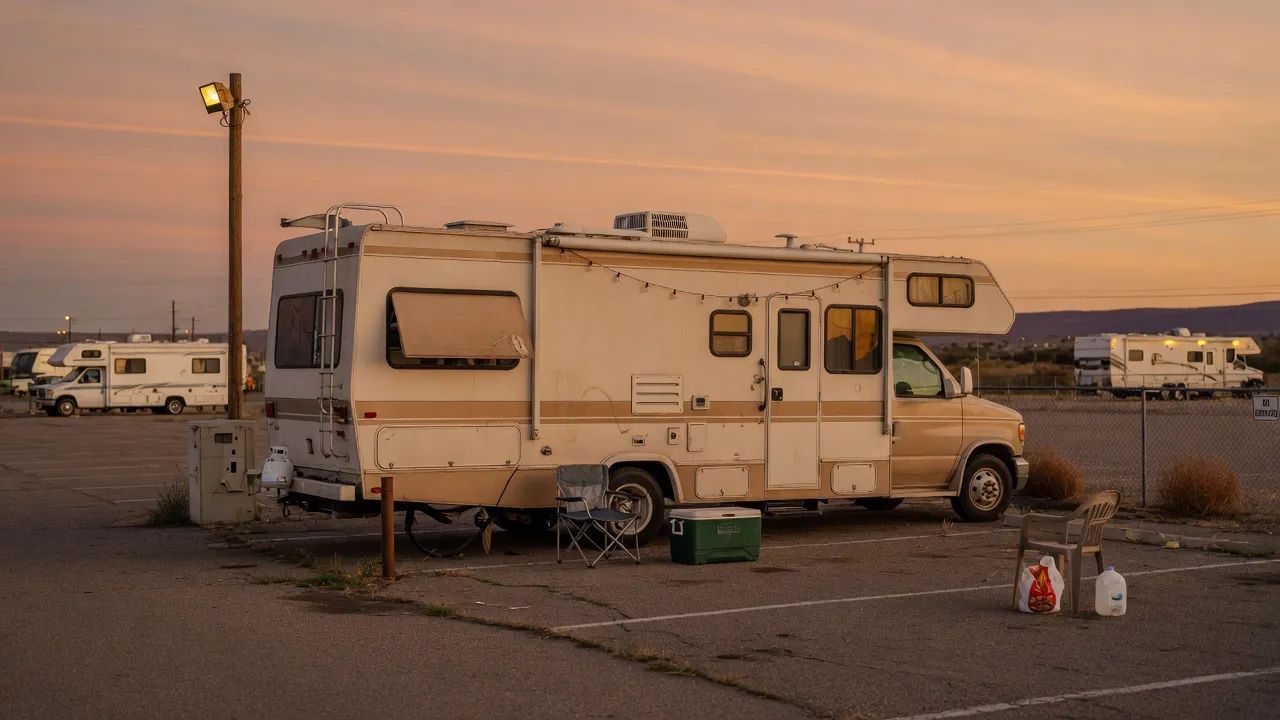
Coverage types decoded
Generator Coverage — Onboard Genset Damage and Liability
Educational only · not insurance advice. PickRV is not an insurance broker, agent, producer, or carrier. Coverage varies by carrier and policy. Verify any decision with a licensed insurance professional in your state.
TL;DR
Onboard RV generators (gensets) are mechanical devices that fall outside standard collision/comprehensive policies for mechanical breakdown but are typically covered for collision damage, theft, and fire. Renter responsibility for generator damage depends on the rental contract — running outside generator hours, low oil, or fuel contamination are common 'renter-caused' findings.

The boundary
Where this coverage stops

Covered
5- Damage to the generator from a collision with the vehicle.
- Theft of the generator (entire vehicle stolen, or generator removed from the vehicle).
- Fire damage to the generator (from external cause, not internal failure).
- Vandalism to the generator.
- Some policies cover fuel-system component failure that damages the generator — read the engine-component language carefully.
Not covered
6- Mechanical breakdown — bearing failure, internal engine issues, voltage regulator failure.
- Low-oil damage from the renter failing to check oil levels.
- Fuel contamination (water in the diesel, mixed fuels).
- Damage from running the generator outside the host's permitted hours (when explicitly prohibited).
- Overheating damage from blocking the air intake.
- Wear and tear, gradual deterioration.
In practice
Real-world examples

Anonymized composite scenarios illustrating typical outcomes.
Bad fuel caused generator failure — renter held liable $3,200
A renter filled the diesel tank at a remote station in northern Arizona where the diesel had water contamination. The Onan diesel genset ran for 4 hours, then failed catastrophically (water in the high-pressure fuel pump). Repair: $3,200. The host's policy excluded fuel-related damage; the rental contract assigned fuel responsibility to the renter. Renter paid $3,200.
Outcome: Renter out-of-pocket: $3,200. Lesson: at suspicious stations, test for water (use a water-finding paste) before fueling.
Generator stolen from parked rental — comprehensive paid $7,800
A renter parked a Class C at a state park in Florida for 48 hours. Returning to find the generator service compartment broken open and the genset removed — replacement cost $7,800. The host's comprehensive policy paid the theft after the $500 deductible. Police report was filed within 4 hours of discovery.
Outcome: Renter out-of-pocket: $500 deductible. Lesson: secure the generator compartment when parked unattended.
The money
Cost ranges

Industry-typical pricing from published carrier and industry sources. Actual quotes vary by state, vehicle, and driver history.
Industry-typical pricing for common Onan gas units.
Diesel gensets common on Class A motorhomes; pricing varies by model and labor.
Specialty product covering mechanical failures not covered by collision/comprehensive.
Fine print
What insurance companies don't say

Industry insider knowledge surfaced for educational transparency.
Generator hours are enforced at campgrounds
NPS, USFS, state parks, and most private campgrounds enforce generator hours (typically 8 AM to 8 PM with quiet hours 10 PM to 8 AM). Rangers and camp hosts patrol; tickets are routinely issued. Beyond the legal penalty, running outside permitted hours can void the host's policy coverage if the rental contract specified compliance.
Low-oil shutdowns can damage the genset
Modern gensets have low-oil cutoffs but older units (pre-2010) sometimes did not. Running a generator low on oil — especially for prolonged periods — can damage bearings and the camshaft. Check oil at every fueling; the rental contract may assign this responsibility to the renter explicitly.
Diesel gensets are sensitive to fuel quality
Diesel engines (in the rig and in the genset) are highly intolerant of water contamination. Filling at sketchy rural stations is the most common cause of fuel-system damage on long trips. Use water-finding paste to test the tank before fueling at any station with low turnover.
FAQ

Is the onboard generator covered by the same policy as the RV?
Yes for collision/comprehensive/theft. No for mechanical breakdown, which is a separate product.
Who is responsible for fuel quality?
Almost always the renter, per the rental contract. Filling at reputable stations + checking for water is a renter best practice.
What about portable generators I bring with me?
Portable generators are personal property — covered by a homeowners/renters policy off-premises sublimit, or by an inland-marine rider for high-value units.
Does the host's policy cover the genset?
Often yes for theft, vandalism, fire, and collision damage under the host's own commercial policy. Confirm with the host; generator-specific carve-outs vary. PickRV does not provide coverage.
Can I be charged for generator damage I did not cause?
If pre-existing damage was not photographed at pickup, you may face a 'this looks new' dispute. Photograph the generator compartment at pickup with timestamps.
When to consult a broker

Talk to a broker about adding mechanical breakdown insurance if you own a Class A or Class C motorhome — gensets, transmissions, and engines are the highest-cost mechanical failures and standard auto coverage does not include them. For renters, focus on contract review rather than insurance — the rental contract assigns most generator-related responsibilities.
Sources
- [1]III — Facts + Statistics — RV / recreational vehicle industry stats
- [2]NAIC — Auto Insurance Buyer's Guide — Auto insurance coverage explained
- [3]NAIC — Consumer Insurance Search — Consumer regulator + complaint portal
Your next step
Now the thing you were going to insure
Coverage only makes sense against a specific rig and a specific week — the deductible on a 30-foot Class C is not the deductible on a towable. Start from what you would actually drive.
What you'll see there
Nothing is bookable on PickRV yet — the search page says so in those words. What it shows instead are labelled sample rigs, so you can see what a listing looks like before there is one to book.
What you'd pay
The complete price sits on every listing, and the exact total is itemized before you pay — nothing appears at the last step.
If plans change
Full rental refund 48h+ before pickup on every booking, in every state.
Tell us when you want to go.
Nothing is bookable today. Dated requests are what we take to owners, so give us the window you actually want — you get one email the day a rig covers it, and nothing else.