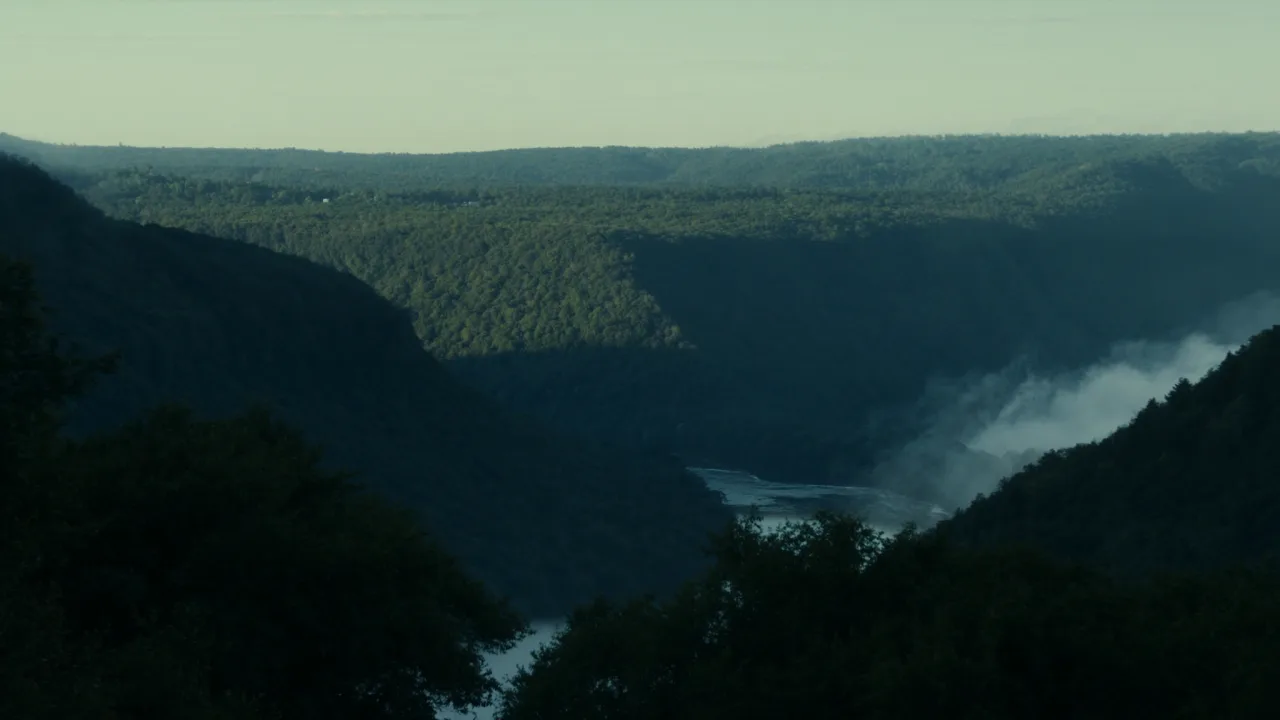
At the dramatic confluence of the Shenandoah and Potomac rivers in West Virginia, Harpers Ferry National Historical Park tells a profound American story. The site of John Brown’s 1859 raid against slavery, it also honors the ancestral home of the Tuscarora and Shawnee people. The park preserves Storer College history, Civil War battlefields, and miles of trail winding through the Blue Ridge, inviting reflection on struggle, education, and the enduring beauty of this river-carved landscape.
Best season — Spring and fall bring mild weather and vibrant foliage; summer is warm and humid, and winter offers quiet streets with pedestrian-only Lower Town access when the shuttle is not running.
What makes Harpers Ferry National Historical Park unique?
It blends pivotal American history with spectacular river scenery. The park preserves the site of John Brown’s 1859 raid, the ancestral home of the Tuscarora and Shawnee, and Civil War battlefields with trails, all within a compact, walkable historic district.
- The 1859 raid by John Brown that heightened tensions over slavery
- Ancestral home of the Tuscarora and Shawnee people
- Storer College history and Civil War battlefields with miles of trail in the Blue Ridge
At a glance
The facts worth checking before you roll out
Conservative, source-minded facts for planning your visit — always worth confirming against current conditions before you travel.
Managing agency
U.S. National Park Service
Location
West Virginia, at the confluence of the Shenandoah and Potomac rivers
Defining history
Site of John Brown's 1859 raid against slavery; ancestral home of the Tuscarora and Shawnee people
Also features
Storer College history and Civil War battlefields with miles of trail in the Blue Ridge
On the ground
Harpers Ferry National Historical Park preserves a significant American story at the meeting point of the Shenandoah and Potomac rivers in West Virginia. The park honors both the ancestral home of the Tuscarora and Shawnee people and events like John Brown’s raid against slavery. It also interprets Civil War history and the legacy of Storer College, offering a layered perspective on our nation's past.
RV travelers explore Harpers Ferry by accessing trails winding through historic battlefields and the Blue Ridge landscape. The park allows for reflection on pivotal events while enjoying views of the rivers below. Visitors can learn about John Brown’s actions, the Civil War period, and the educational history tied to Storer College within a compact, walkable district.
The best times to visit Harpers Ferry are spring and fall when mild temperatures and colorful foliage enhance the experience. Summer months bring warmer, humid conditions. During winter, Lower Town may be pedestrian-only with limited shuttle service; access requires planning. Consider these seasonal variations for comfortable exploration.
Establish a basecamp in the surrounding area to easily visit Harpers Ferry National Historical Park. This allows flexible scheduling for exploring the park's historical sites and trails. RVers can then drive into the vicinity, utilize available parking, and fully immerse themselves in the history and natural beauty of this unique location.
Official sources
- National Park Service — Harpers Ferry National Historical Park National Park Service
Nearby & related
Keep planning West Virginia
Sourced costs, campground directories, and the places worth a detour — the next layer of West Virginia trip planning.
Planning an RV trip near Harpers Ferry National Historical Park: An RV Traveler's Guide?
Was this guide helpful?