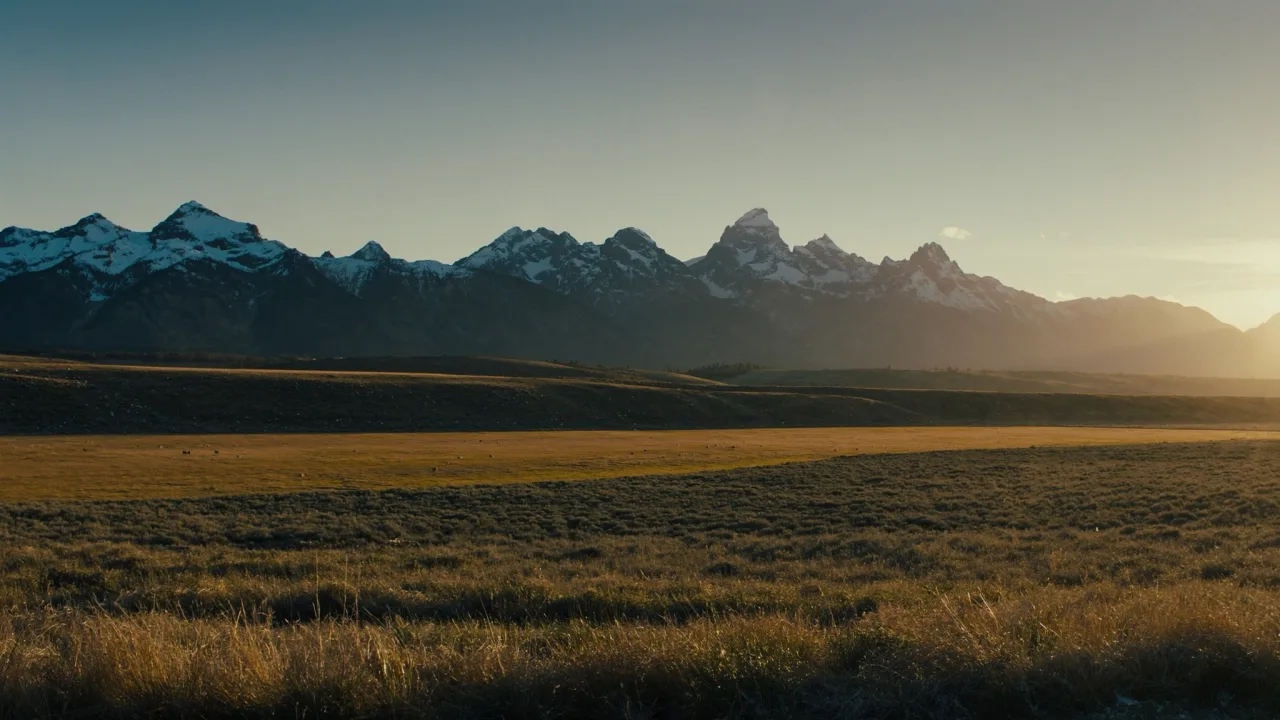
Thunder Basin National Grassland invites RV travelers into the heart of northeastern Wyoming’s Powder River Basin, where a semi-arid prairie unfolds between the Big Horn Mountains and the Black Hills. The landscape’s gentle elevations from 3,600 to 5,200 feet create a sweeping horizon perfect for dispersed camping, OHV exploration, and scenic drives. Here, wide-open spaces and quiet nights offer a genuine escape, where you can soak in the immense sky and the simple rhythm of the land. It’s a working grassland managed by the US Forest Service, and its remote character rewards those seeking solitude without frills.
Best season — Late spring through early autumn, when prairie wildflowers bloom, bird activity peaks, and roads are generally dry. Summers can be hot and windy; spring and fall offer mild temperatures for hiking and wildlife watching.
Why do RV travelers seek out Thunder Basin National Grassland?
It provides a rare blend of solitude and accessible dispersed camping on expansive, semi-arid prairie. The elevation changes from 3,600 to 5,200 feet give rise to sweeping views, while OHV trails, hunting, and scenic drives invite exploration. The grassland’s remote nature makes it a peaceful retreat for those looking to disconnect.
- Semi-arid grassland with elevations spanning 3,600 to 5,200 feet
- Dispersed camping, OHV riding, hunting, and scenic driving opportunities
- Remote location between the Big Horn Mountains and Black Hills in northeastern Wyoming
At a glance
The facts worth checking before you roll out
Conservative, source-minded facts for planning your visit — always worth confirming against current conditions before you travel.
Managing agency
US Forest Service — administered by the Douglas Ranger District, Medicine Bow-Routt National Forests & Thunder Basin National Grassland
Location
Northeastern Wyoming, in the Powder River Basin between the Big Horn Mountains and the Black Hills
Landscape
Semi-arid; elevation ranges from 3,600 to 5,200 feet
Recreation
Hunting, dispersed camping, OHV riding, recreational shooting, scenic driving, and nature viewing
On the ground
Thunder Basin National Grassland encompasses a portion of northeastern Wyoming’s Powder River Basin, situated between the Big Horn Mountains and Black Hills. Managed by the US Forest Service, this semi-arid prairie stretches across rolling terrain with elevations varying from 3,600 to 5,200 feet. It offers an opportunity to experience expansive landscapes and a quiet environment far removed from developed areas.
RV travelers come to Thunder Basin for dispersed camping, OHV riding, hunting opportunities, and scenic drives. The broad vistas and open spaces are well-suited for nature viewing and recreational shooting. Visitors appreciate the remote character of this grassland, allowing them to unwind and enjoy solitude under the immense Wyoming sky.
The most favorable time to visit Thunder Basin is late spring through early autumn. During these months, prairie wildflowers bloom, bird activity increases, and roads are typically dry enough for travel. Summers can be hot and windy, while spring and fall provide milder conditions for outdoor activities like hiking and wildlife observation.
Consider establishing a basecamp in a nearby community to explore Thunder Basin National Grassland. From there, RVers can venture into the grassland each day for dispersed camping or recreational pursuits. This approach allows easy access to the remote areas while maintaining convenient access to amenities and services.
Official sources
- U.S. Forest Service — Thunder Basin National Grassland USDA Forest Service
Nearby & related
Keep planning Wyoming
Sourced costs, campground directories, and the places worth a detour — the next layer of Wyoming trip planning.
- Wyoming RV rental costFuel · camping · tax, sourced
- Wyoming RV-friendly campgroundsHookups, rig limits, booking tips
- Campervan & van rentals in WyomingVan-life routes, rules & rigs
- RV rentals in WyomingPickRV Wiki · 6 min read
- BattlefieldsHallowed-ground history stops
- National memorialsMonumental road stops
- National preservesBackcountry-scale wilds
- RV driving & licensingLicenses, lanes & low bridges
Planning an RV trip near Thunder Basin National Grassland: An RV Traveler's Guide?
Was this guide helpful?