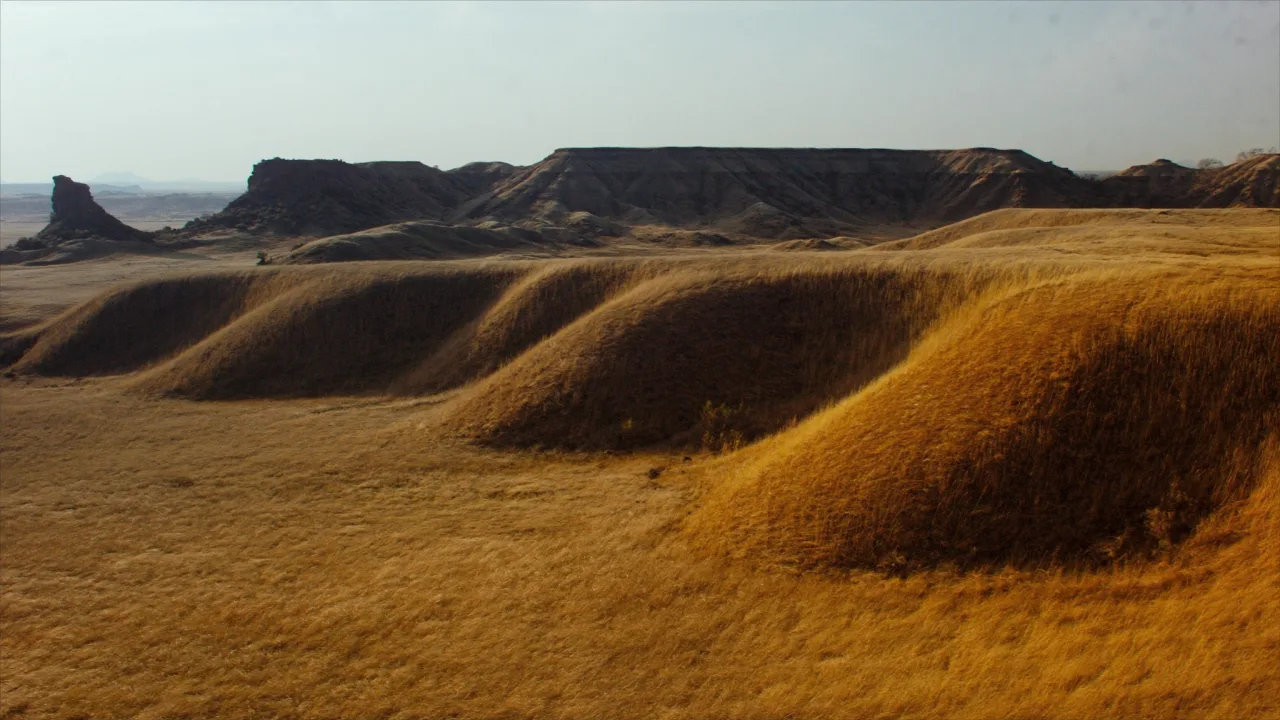
Sheyenne National Grassland is a rare remnant of tallgrass prairie, the only National Grassland in the tallgrass prairie region. Spread over rolling sandhills and meandering waterways in southeastern North Dakota, it safeguards 70,180 acres of public land rich in native grasses, seasonal wetlands, and quiet, shady bends. The landscape erupts in vivid wildflowers through warmer months, while the waterways draw paddlers and anglers to peaceful spots. Under vast skies, visitors watch prairie chickens boom on spring leks, listen to meadowlarks, and camp where starlight is the only light.
Best season — Late spring through early fall (May to September). Wildflowers peak in July and August; the greater prairie chicken booming season runs from late March through May; autumn brings golden hues and fall bird migrations.
What is Sheyenne National Grassland known for?
It’s the only national grassland entirely within the tallgrass prairie ecosystem, making it a vital sanctuary for native plants and grassland birds. Visitors come to witness prairie chicken displays, paddle meandering waterways, and wander wildflower-strewn trails where bison once roamed.
- 70,180 acres of public land safeguard tallgrass prairie, wetlands, and wooded draws.
- The only National Grassland in the tallgrass prairie region.
- Renowned prairie chicken leks, paddling waters, and expansive dark night skies.
At a glance
The facts worth checking before you roll out
Conservative, source-minded facts for planning your visit — always worth confirming against current conditions before you travel.
Managing agency
Dakota Prairie Grasslands, US Forest Service (USDA), administered from Bismarck, North Dakota
State / location
Southeastern North Dakota, in eastern Ransom and western Richland counties, about 12 miles east of Lisbon
Distinction
The only National Grassland in the tallgrass prairie region in the nation
Public land acreage
70,180 acres of public land
On the ground
Sheyenne National Grassland stands apart as the only National Grassland within the tallgrass prairie region. Protecting over 70,180 acres in southeastern North Dakota, it preserves a vital ecosystem of native grasses, wetlands, and wooded draws. Managed by the US Forest Service, this landscape offers a rare opportunity to experience a disappearing natural environment and its unique wildlife.
RV travelers find opportunities for quiet immersion in the Grassland’s expansive terrain. Canoeing and angling are possible on meandering waterways. Birding is popular, with chances to observe prairie chickens during spring displays. Dispersed camping along gravel roads provides a secluded experience where RVers can settle into the landscape and enjoy starlit nights.
The best time for an RV visit spans late spring through early fall, from May to September. Wildflowers reach their peak bloom in July and August, painting the rolling hills with color. Spring offers viewing of prairie chicken booming activity. Autumn brings golden hues and migratory birds passing through this southeastern North Dakota area.
Consider establishing a basecamp nearby while exploring Sheyenne National Grassland. This allows for day trips to discover different areas of the 70,180-acre landscape. With quiet gravel roads winding through rolling sandhills, you can easily access various points for birding, canoeing or simply enjoying the wide open skies and native grasslands.
Official sources
- U.S. Forest Service — Sheyenne National Grassland USDA Forest Service
Nearby & related
Keep planning North Dakota
Sourced costs, campground directories, and the places worth a detour — the next layer of North Dakota trip planning.
Planning an RV trip near Sheyenne National Grassland: An RV Traveler's Guide?
Was this guide helpful?